
Bird Blurbs, Killdeer
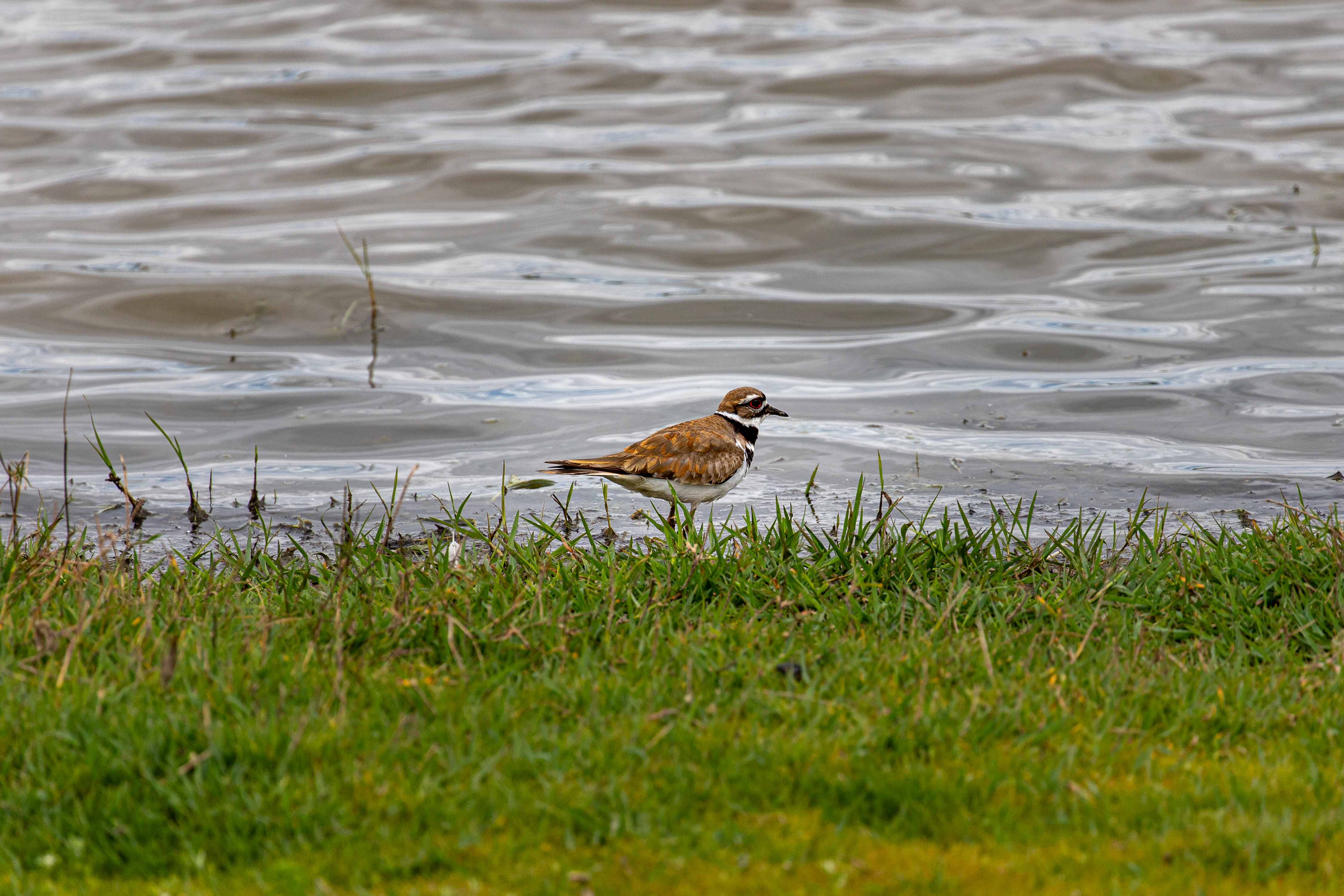 Bird Blurbs, Killdeer edition! The Killdeer (Charadrius vociferus) is a pint sized shorebird found in North and South America (Sibley, 2016). Large relative to its plover siblings, this particular photo was taken at the Tualatin River National Wildlife Preserve, a place witch has become a local favorite of mine since the summer loops have opened up.
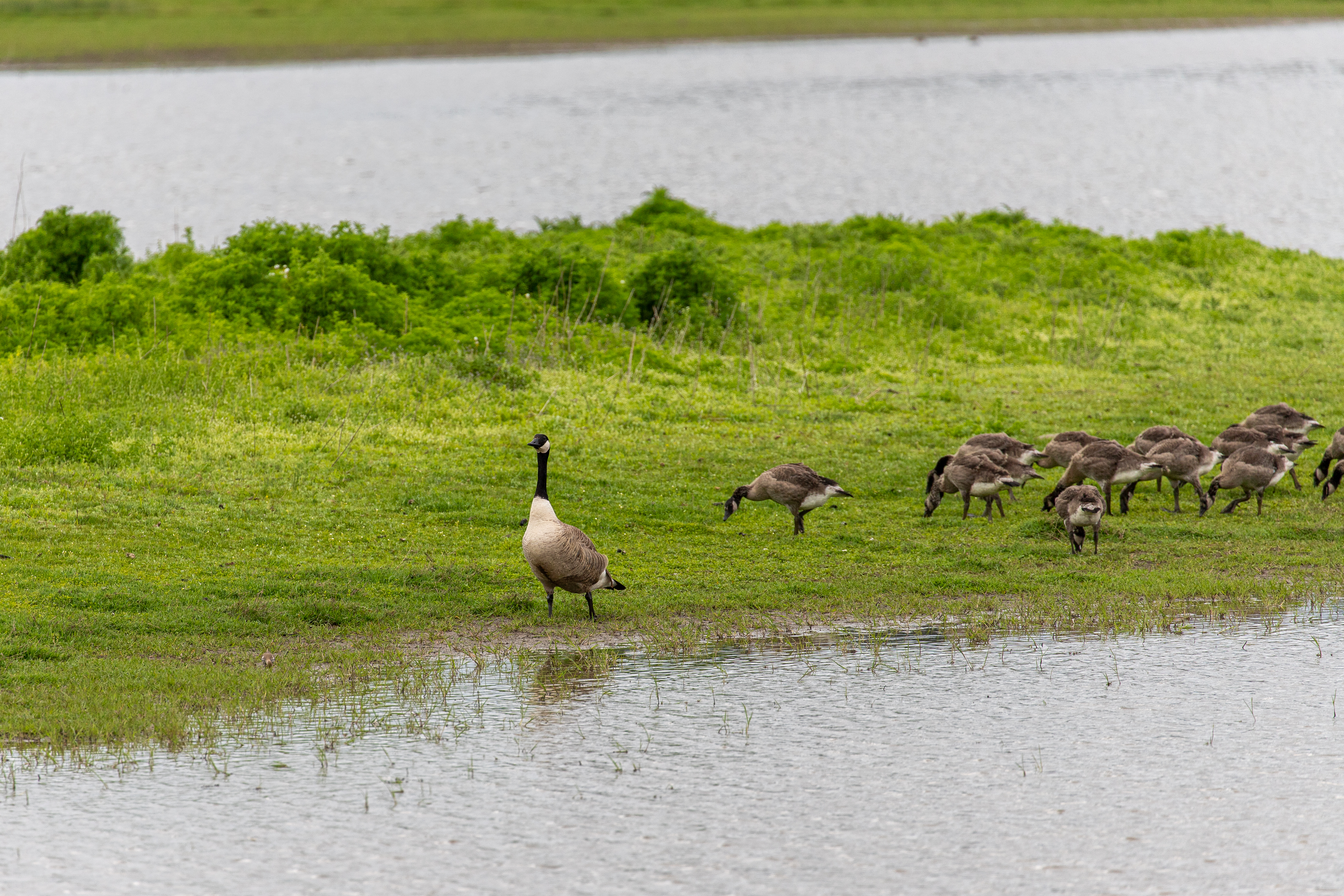 Bird Blurbs, post two! The Canada Goose (Branta Canadensis) (Sibley, 2016) is known for its expansive migration range and exceptional flocking behavior. Where the heron will find itself on a solo flight, the Canada Goose will hardly leave the earth without a wingman. On a recent trip to the TRNWR I was able to photograph a handful of families as their goslings turned to fledglings.
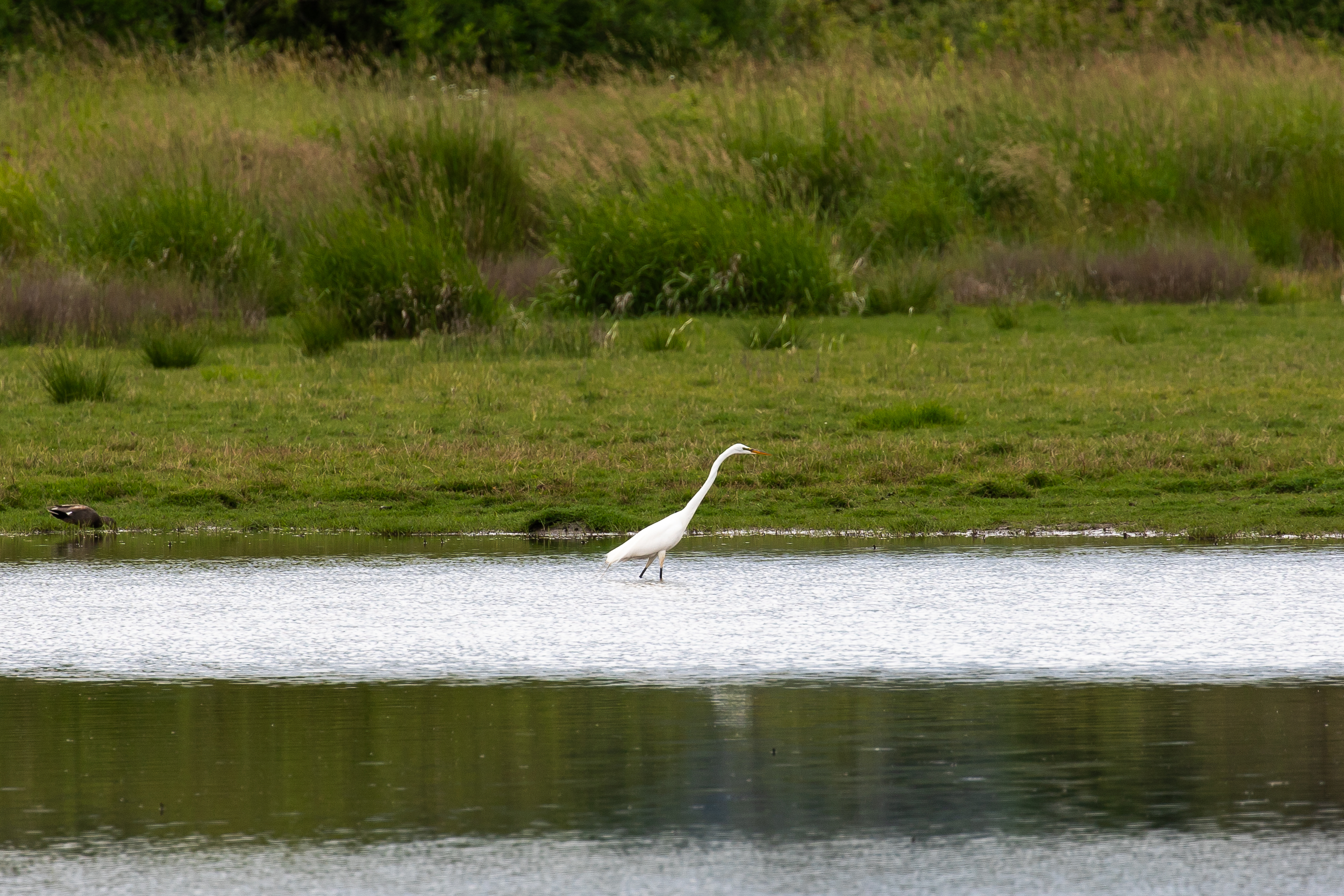 Hello, and welcome to a series of posts I am calling: Bird Blurbs. I’ll give a brief overview of a bird in Oregon in hopes to provide a little bit of context to the natural world by witch we are surrounded. Our first bird is a commoner in the U.S., the Great Egret (Ardea Alba). With a lengthy neck and legs to match, this heron variant can be found in small groups where food is ample (Sibley, 2016) or as a loner in atypical habitat. This particular bird was spotted at the Tualatin River National Wildlife Refuge, a prime example of it’s typical wetland residence.
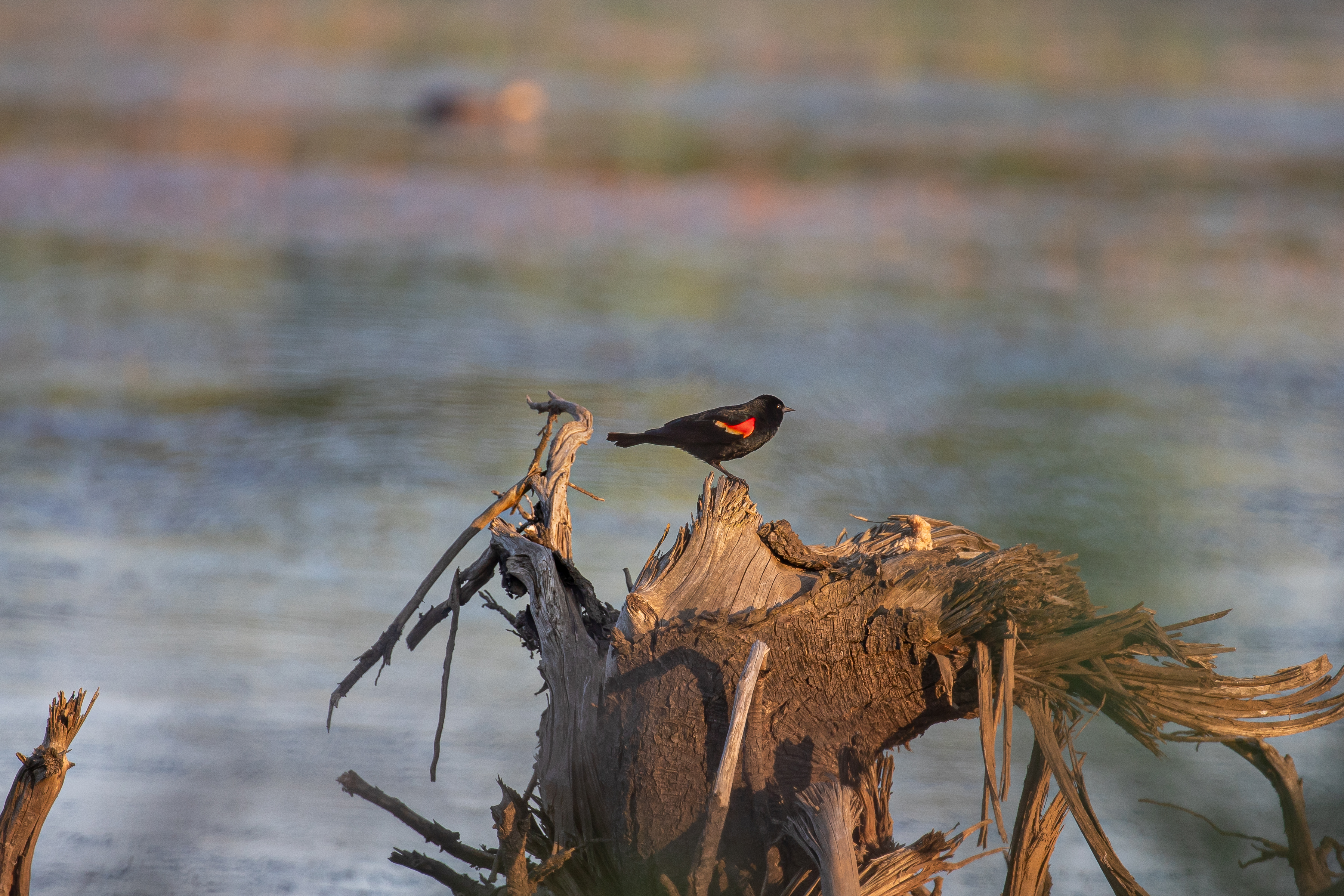 Let’s talk about the Red-winged Blackbird (Agelaius phoeniceus). Residing in the majority of the southern and middle United State while spending summers in southern Canada, this bird’s verity of calls make for a staple soundtrack of almost every summer outdoor experience (Sibley, 2016). I was able to snag this perched shot at the Jackson Bottom wetland in Hillsboro, Oregon. Their iconic calls and nonchalant naming makes them one of my favorite aviators.
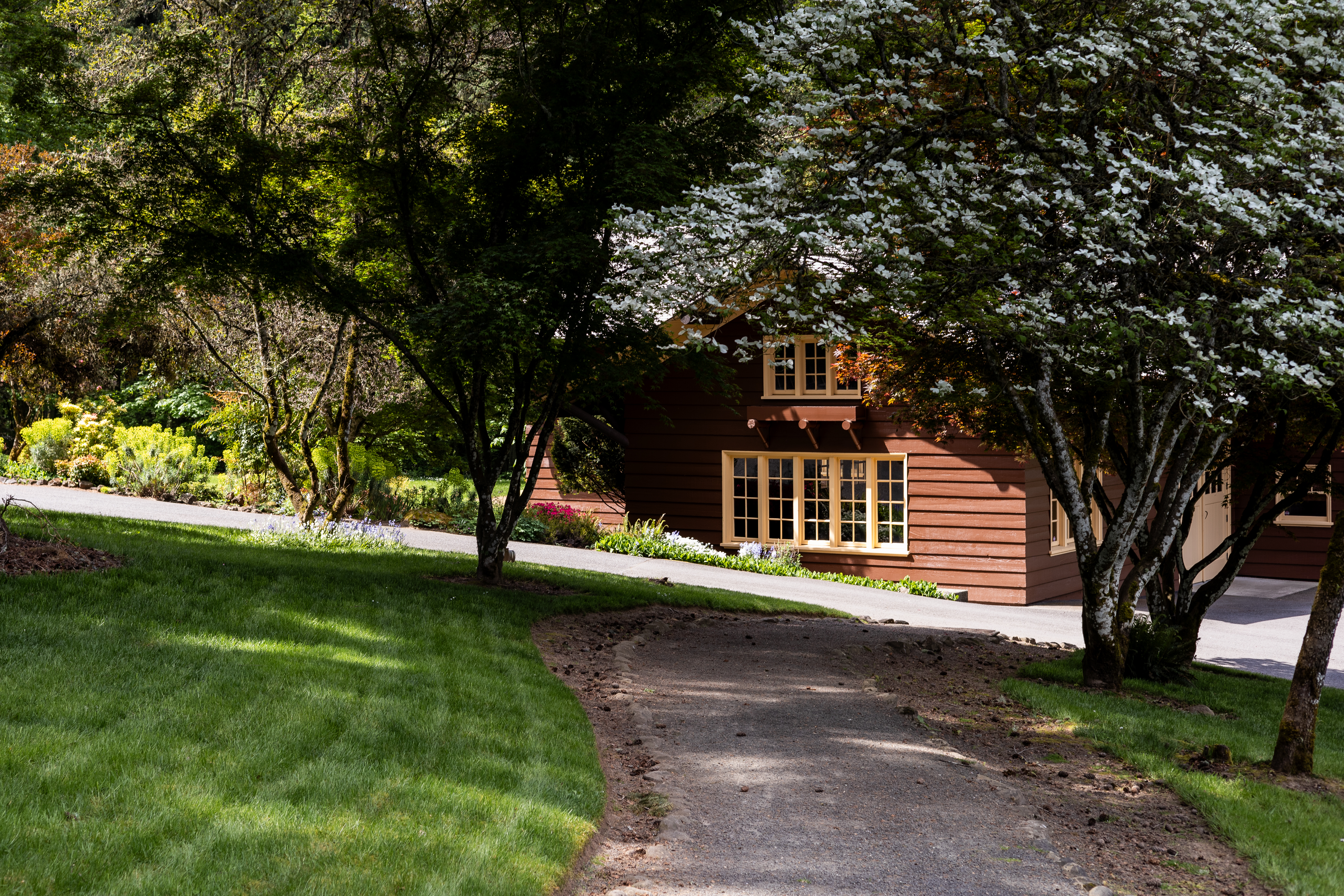 If you thought I was done trying to take pictures of random buildings in the woods, you thought wrong! This is Jenkins Estate (specifically the side of the stables at Jenkins Estate), a set of buildings and a plot of land listed on the National Registry of Historic Places (Jenkins Estate | Parks & Trails | THPRD, 2017). I wanted to use this group of buildings buried in the Tualatin hills as a training ground for how to find interesting angles of mundane things, in the hope that using an interesting building would lead to a more natural understanding of what makes for a good shot. That, and I had just purchased a new 50mm RF lens that morning and wanted to stretch it’s legs.
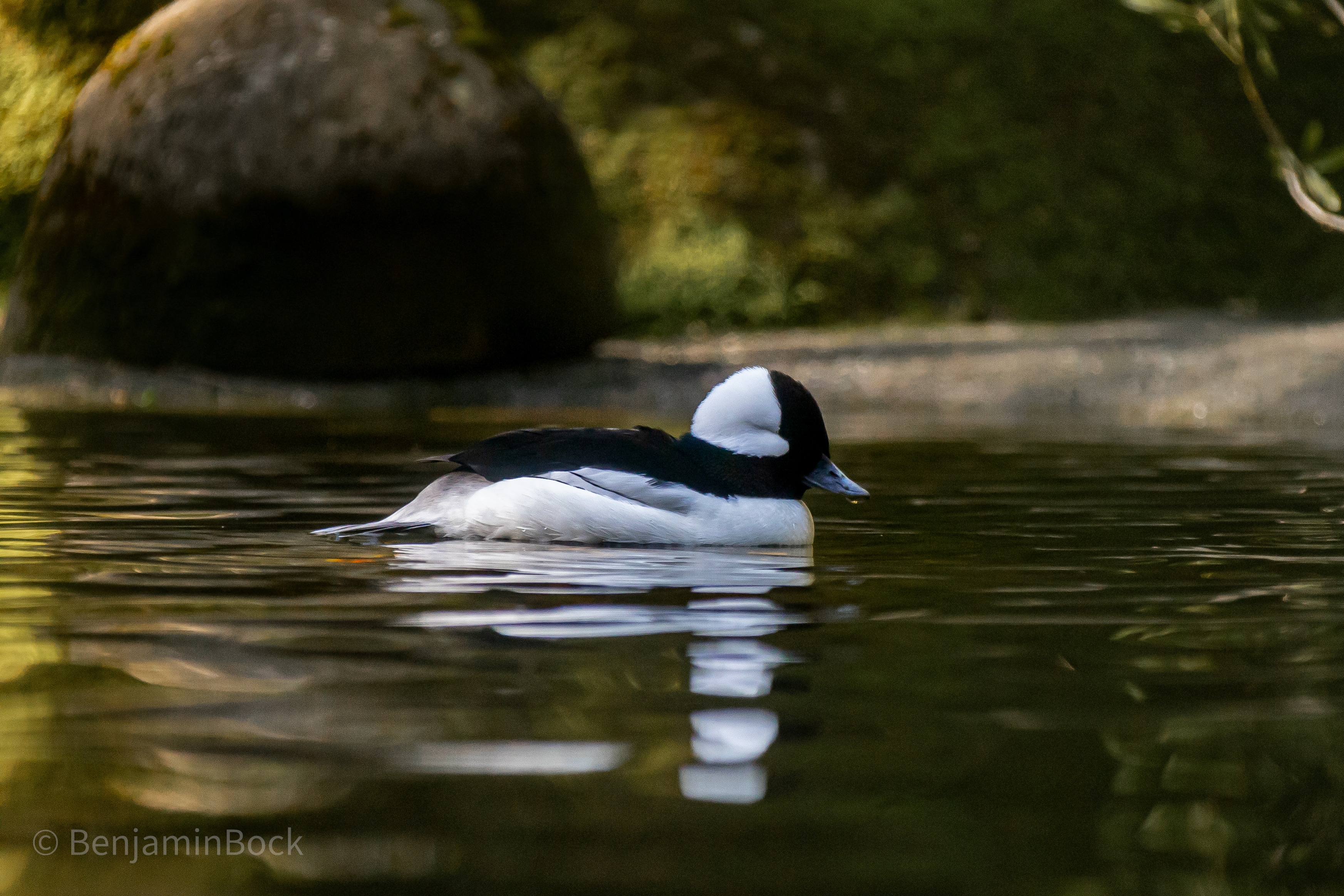 This small fluffy fellow is a Bufflehead Duck (Bucephala albeola). They can be found at various times of the year around the entirety of the U.S. and tend to be spotted most often in winter here in the Pacific Northwest (Sibley, 2016). This particular duck was found, rather embarrassingly, at the Oregon Zoo. I am excited to find more of these in the wild as their diving behavior and striking head feather pattern is sure to be a sight to behold. Read on to learn more about the Bufflehead Duck.
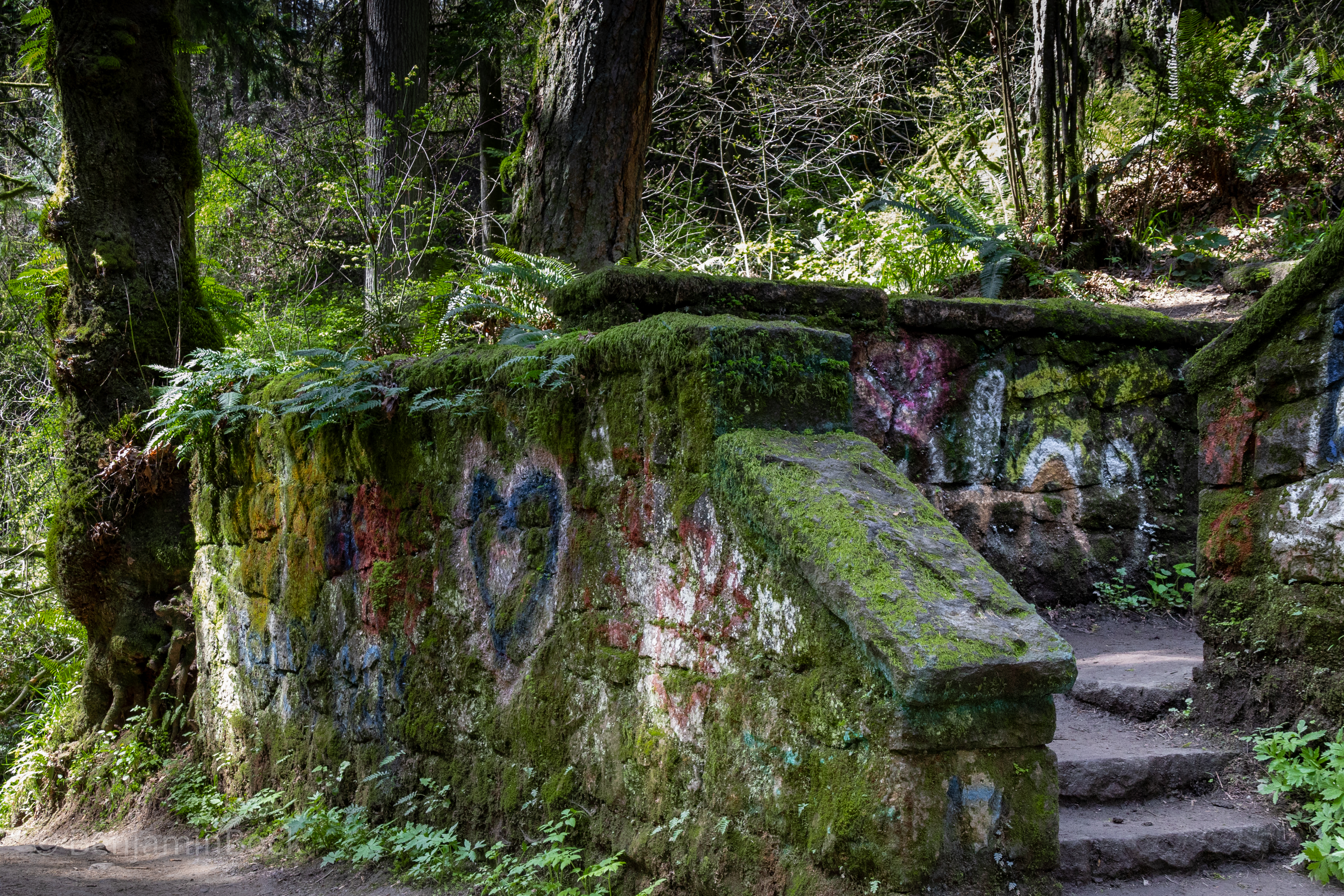 Here we have another attempt at Ben taking pictures of random things, this time in the woods. This is a small stone house located in Washington Park in eastern Portland. It’s been lovingly dubbed the “Witch’s Castle” by some. I did my best to emphasize the “frame in frame” composition technique with these shots, but as always I feel like I missed the mark a little bit.
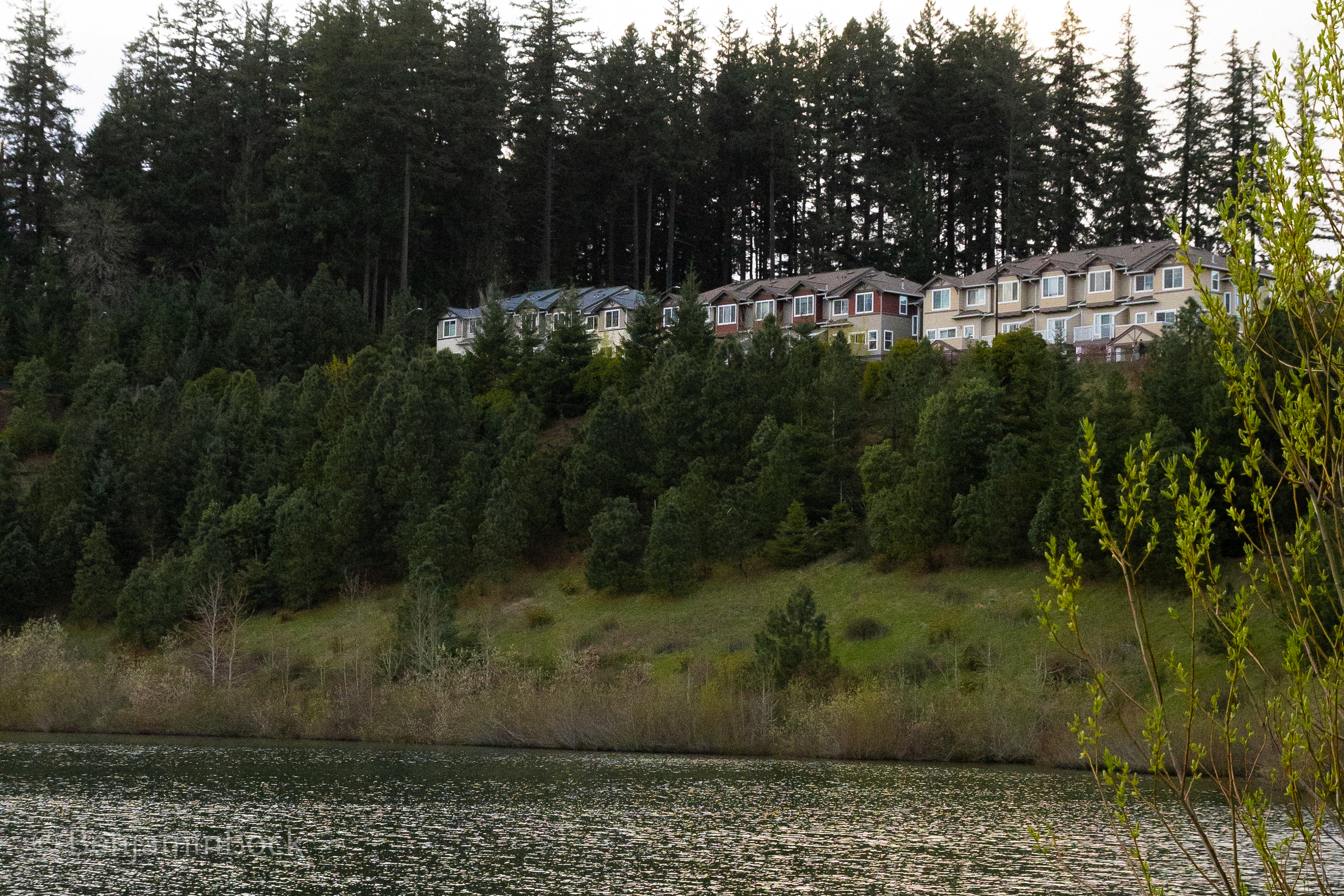 Holy grain batman. After having the bright idea of putting a crop lens on a full frame sensor and running out to the local pond at around 7:30 pm, I was able snag these beauties. Fighting both the post-sunset blue hour amd my cozy f4.some-odd aperture, what popped out of my camera was something that I decided to take directly into Lightroom for touchups.
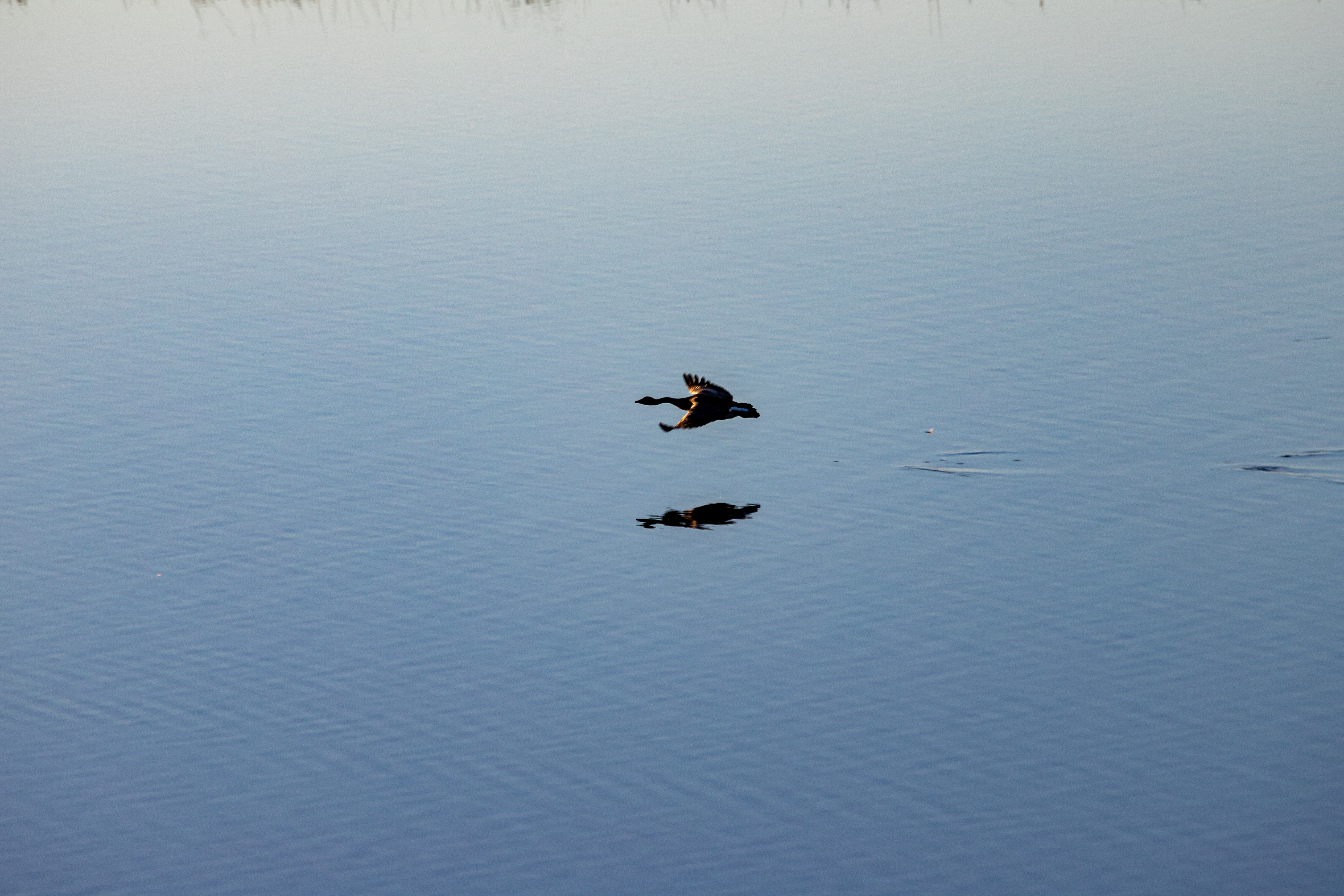 The Canada Goose: known for it’s honk, massive amounts of excrement, and child chasing antics. This one (pictured taking a break from hissing at small dogs) was captured at the Tualatin River National Wildlife Preserve (TRNWP), a protected parcel of land in the western suburbs of Portland.
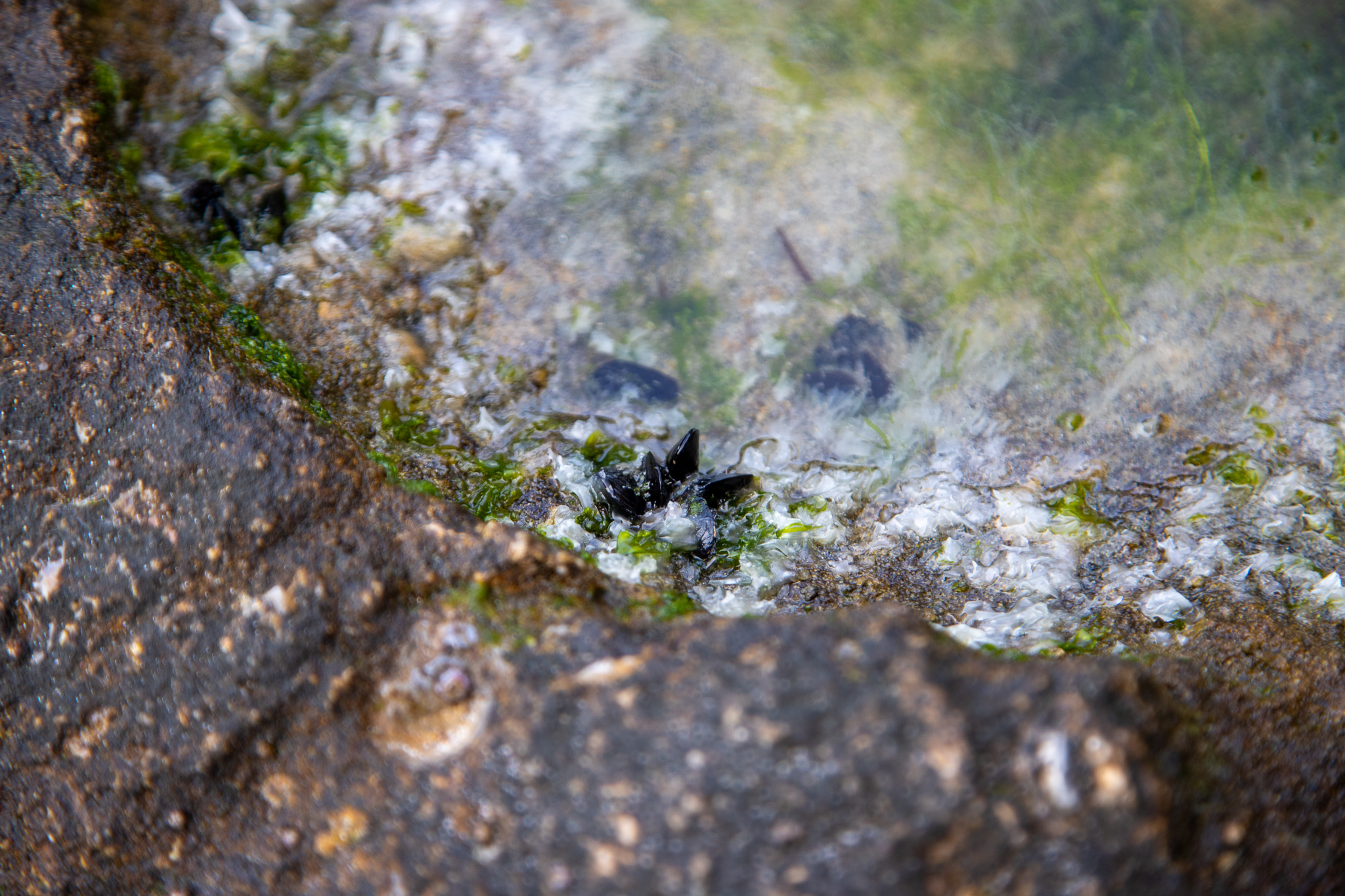 Typically when I purchase a new piece of gear I have a particular use case in mind. With my Canon 24-105 F4 L I wanted a great all around lens that could shoot portraits as well as landscapes with relative ease. However, I found that it’s excellent at taking macro photos. The true purpose of the trip, from which I snagged all of the wonderful bird photos of the last set, was to investigate some tide pools. My partner loves tide pools, and having grown up in the famously salt water rich state of New Mexico, my tide pooling experience was minimal. In this post I’ll talk about this surprising little lens and it’s ability to make the smallest places in the world look remarkable.
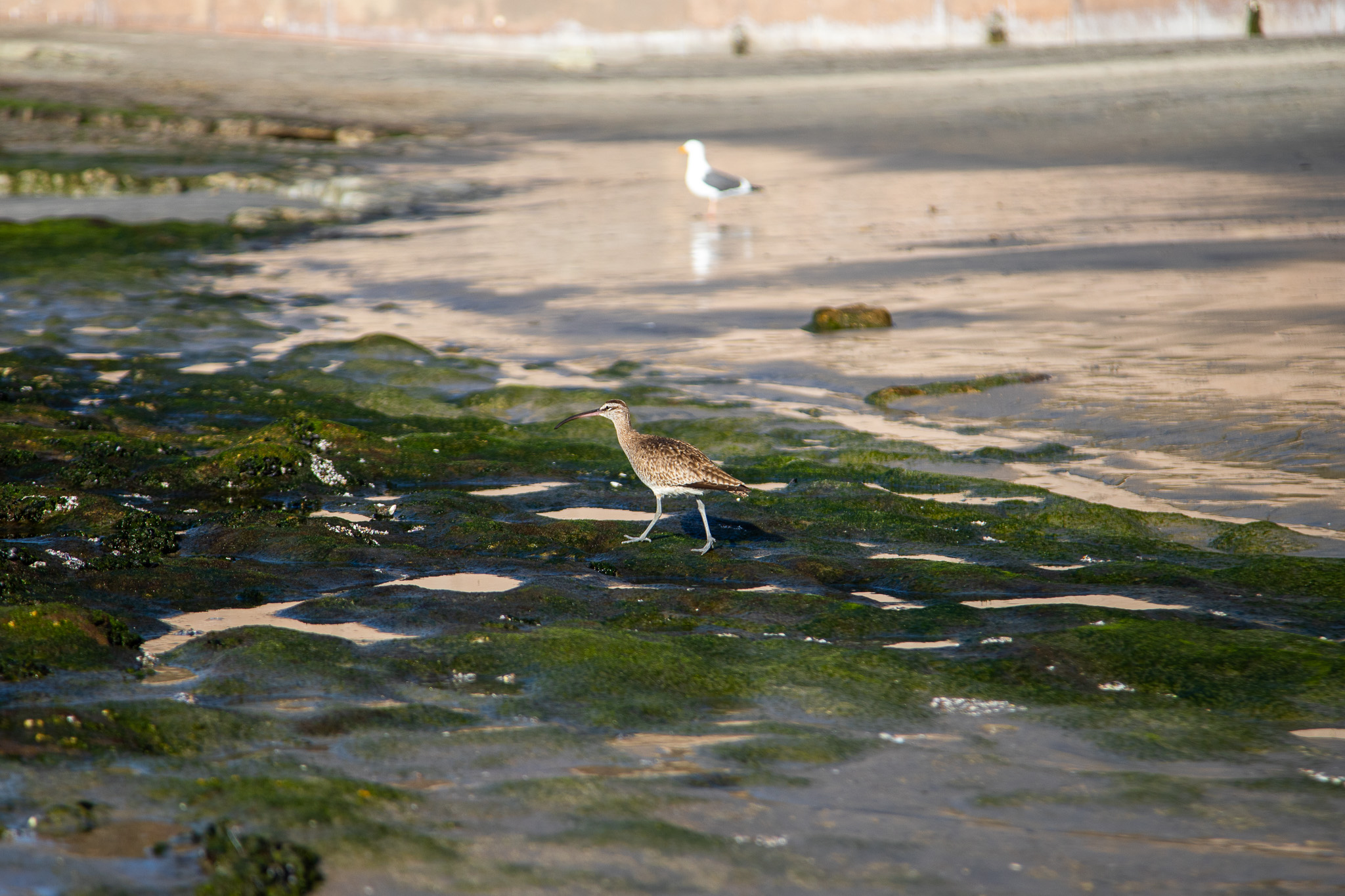 Finally back to some nature! And some absolutely wonderful birds! I do genuinely enjoy taking photos of birds mostly because they lead such dynamic lives. In this post…well we’re just gonna look at some birds! This one is called a Whimbrel!
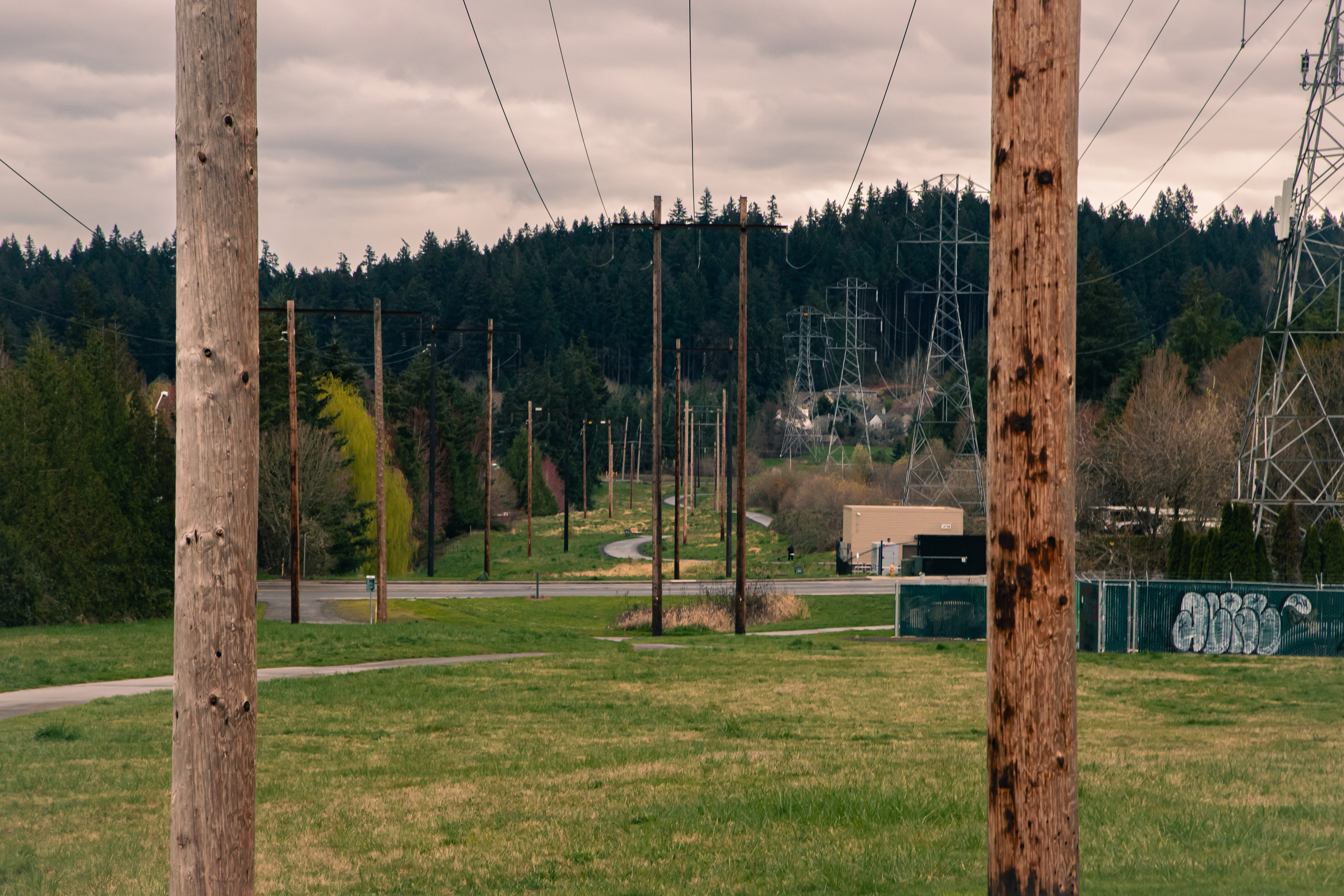 In a record first I tried just going outside to take some photos in my local neighborhood in an attempt to find beauty in the normal. I feel like I live in a rather beautiful place, but I found this to be a bit of a challenge. In this post I’ll talk about my experience with what feels like naturally beautiful places and how they turn out “on film.”
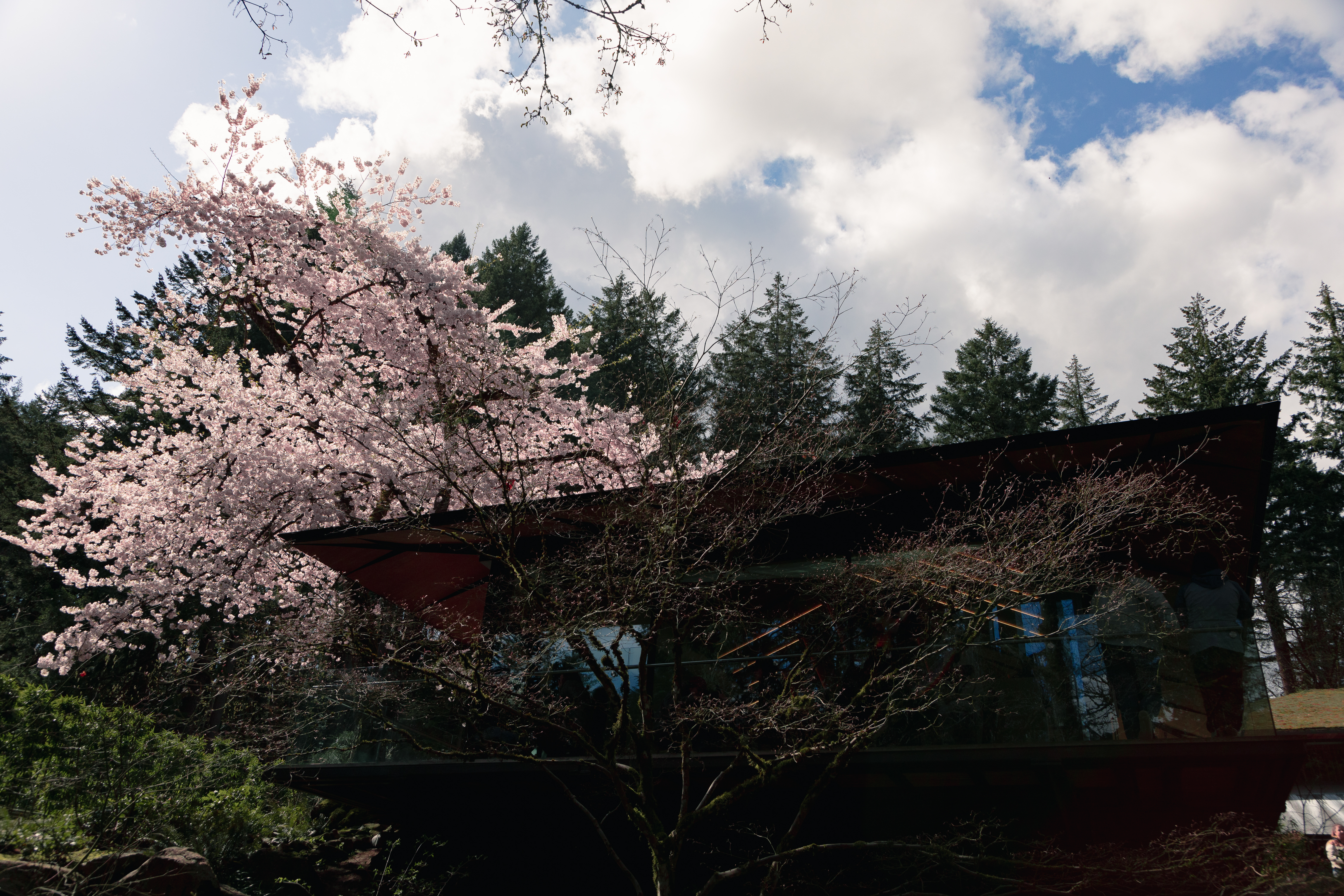 Oregon has a beautiful Japanese Garden and during the cherry blossom bloom I went down to take a look. These are the result!
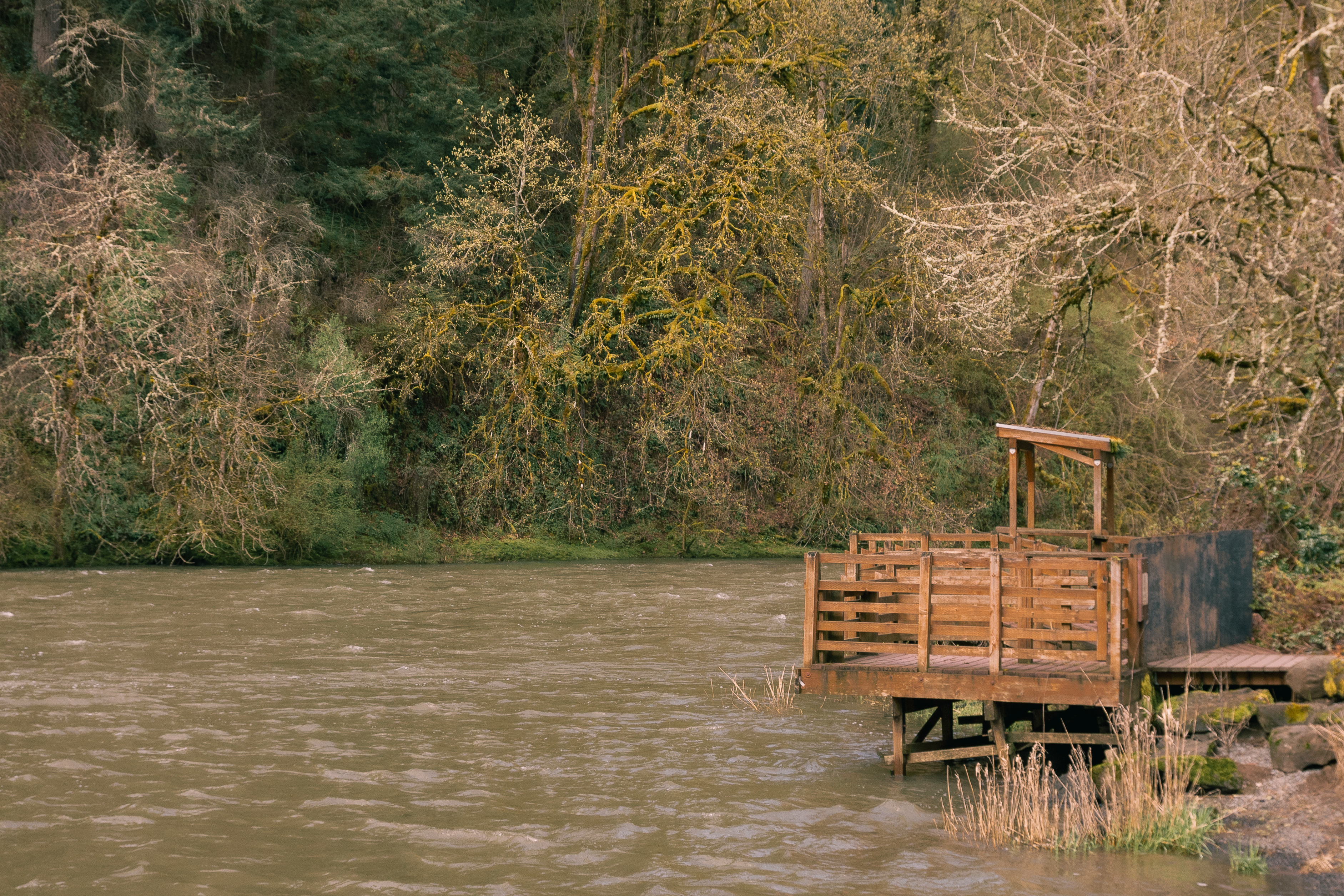 I’ve come to a point in my photography endeavor where I want to start finding a style. A while back I took a trip to Fields Bridge Park in Lake Oswego, Oregon to begin the down the long path of defining my own artistic tastes.
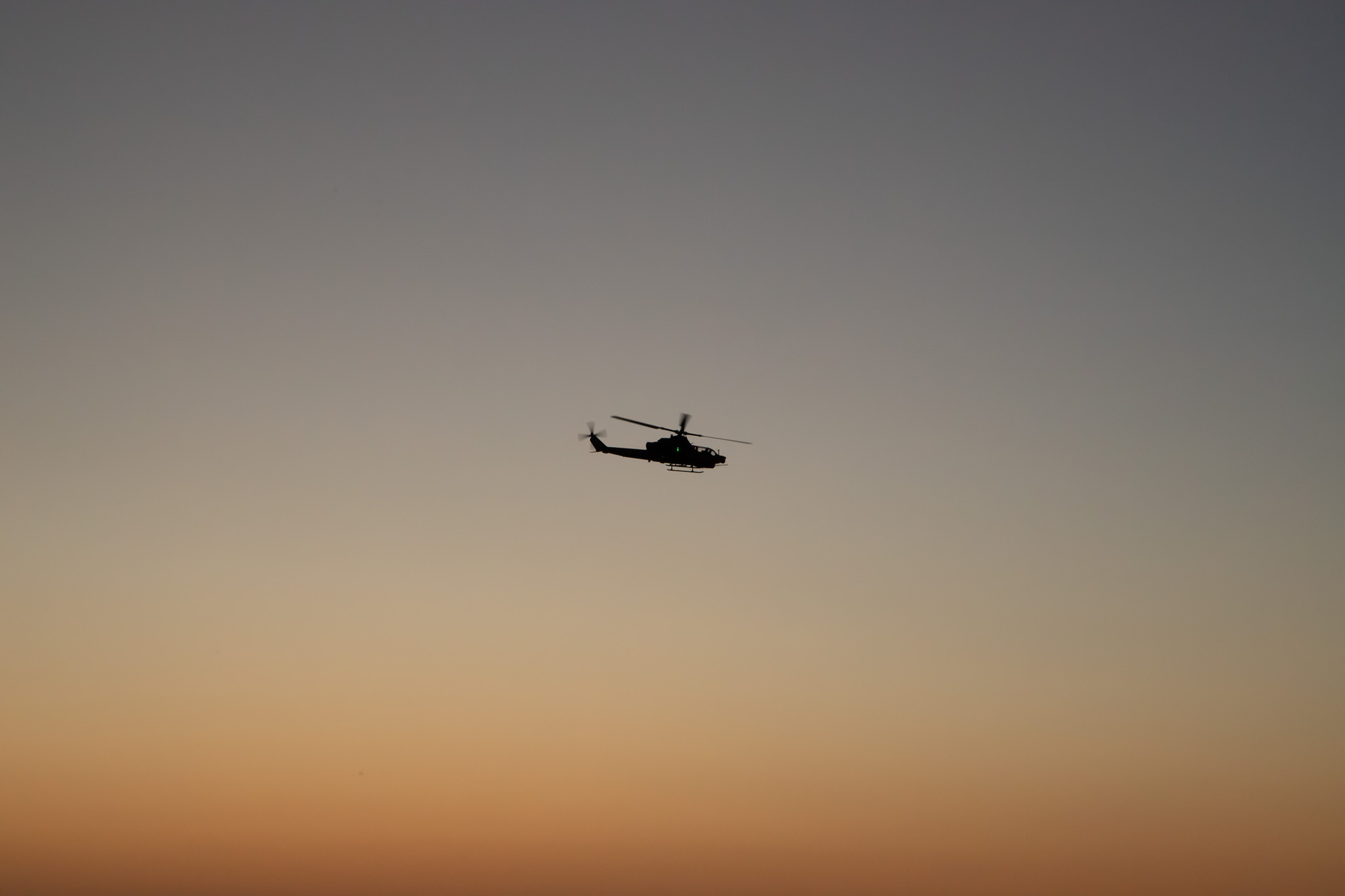 So this shot was taken off the cost of Puerto Vallarta during a scouting tri- I’m kidding it’s San Diego. This photo felt so nice to take, I love the way I was able to catch the fade from the dying light into blue.
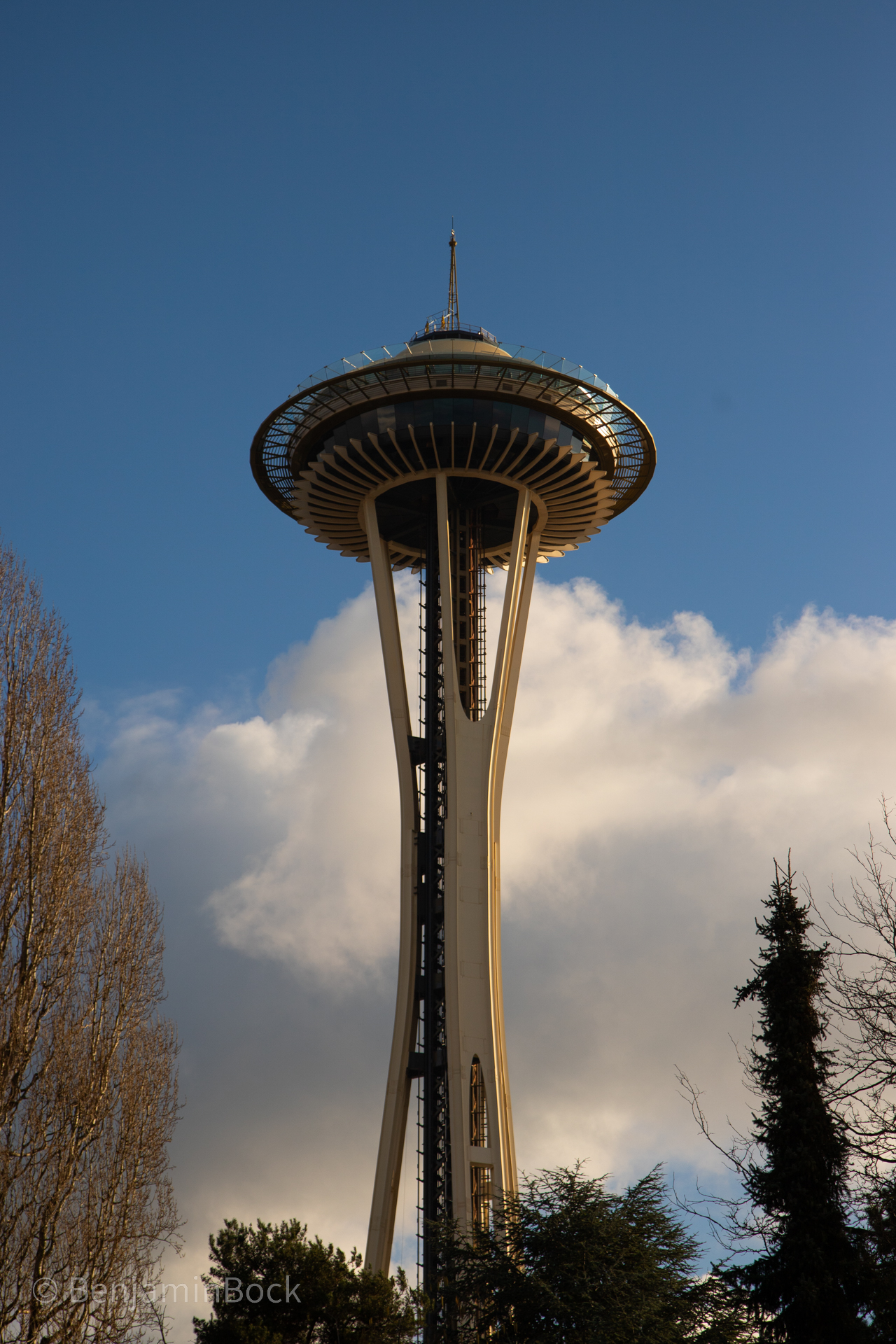 I recently took a trip to Seattle and I wanted to share some of the photos I was able to snag while I wondered around the city. There is a truly an abundance of unique character surrounding Seattle, and it was a privilege to be able to capture some of it’s icons.
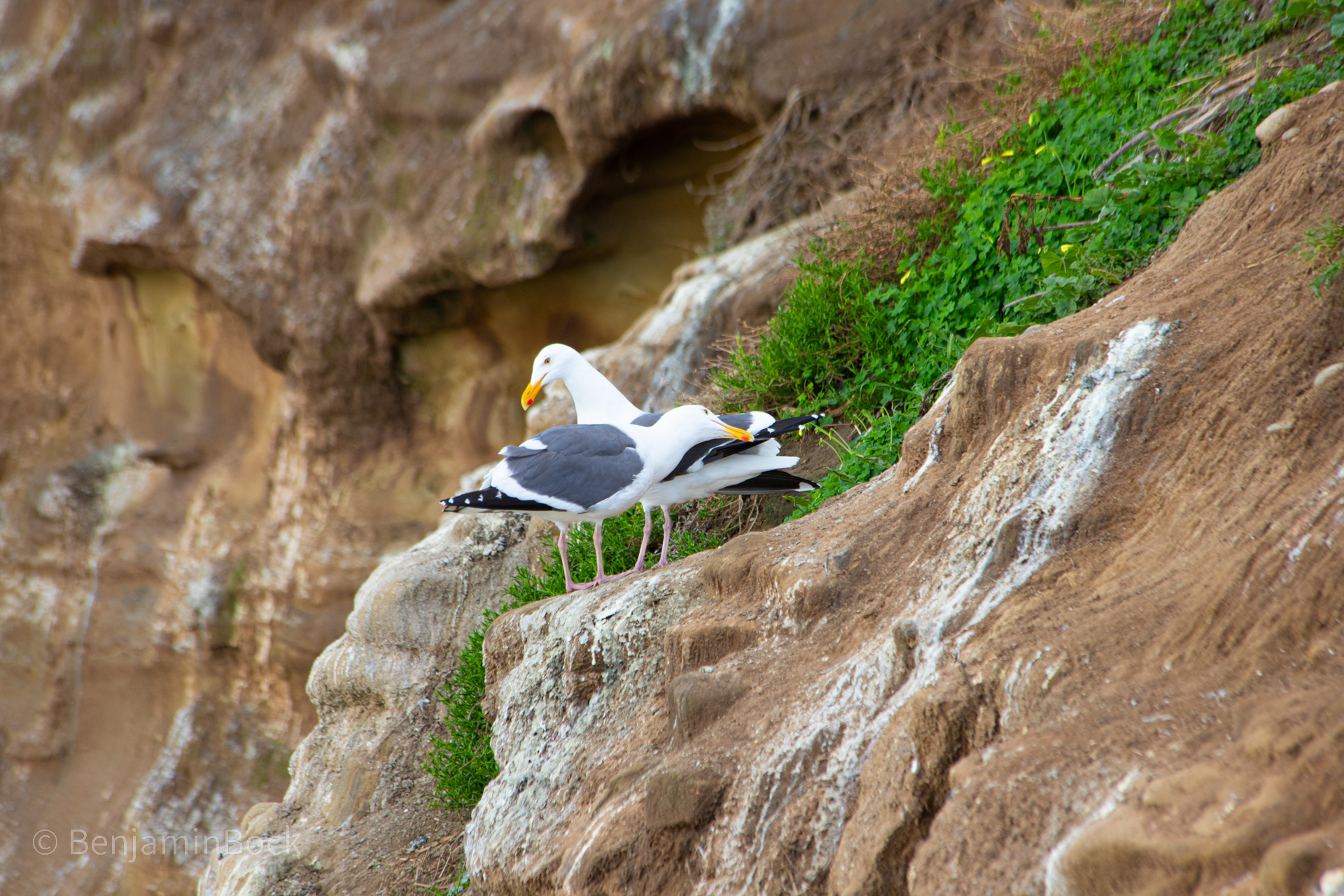 This one is another San Diego classic. We took a trip down to La Jolla bay with an eye out for orcas; what we found instead was a wide variety of seafaring birds. In this post I’ll talk through the key to real estate: location location location.
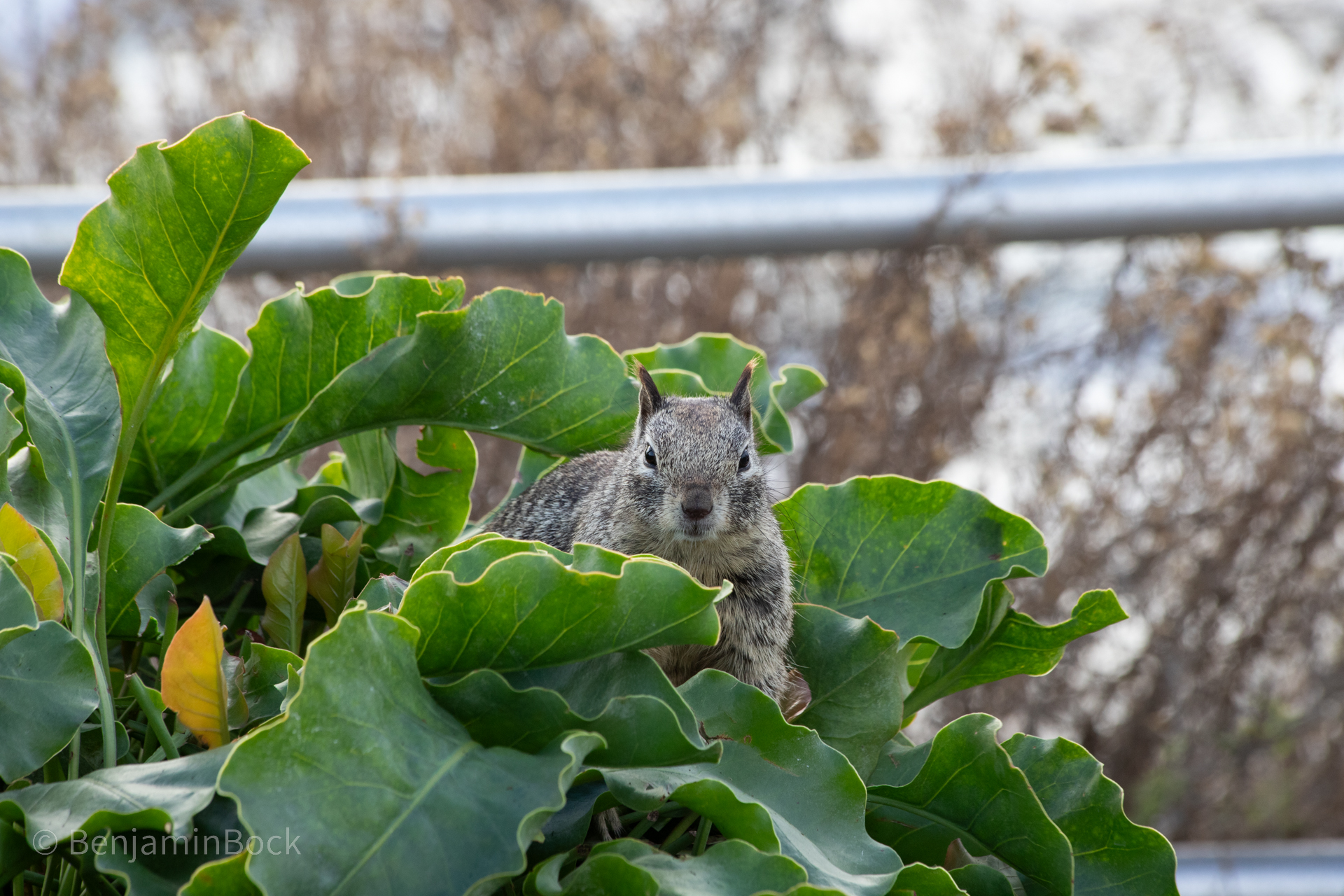 Sometimes an image just happens, and this is a perfect example of this kind of picture. I was on my way down to a La Jolla beach in San Diego to see (and hopefully take pictures of) some seal pups when this sweet squirrel poked their head out of the bush. Thankfully they stayed long enough for me to snag a this photo. In this post I’ll talk about focus modes and how they fit into the shooting process.
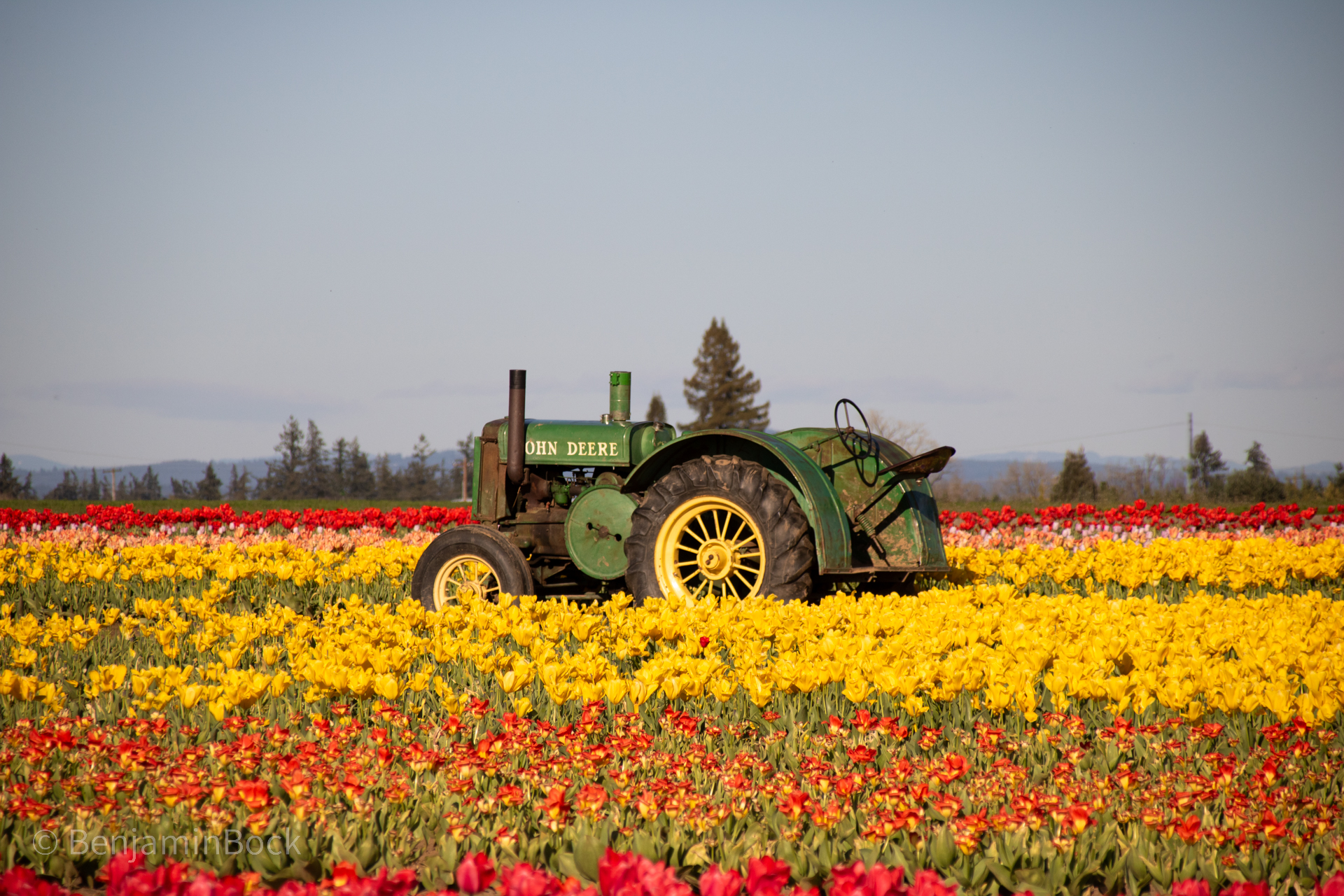 I’m rather proud of this photo; from start to finish everything went almost exactly the way I wanted and the things that didn’t were well within the scope of “artistic liberty.” In this post I’ll walk through where this shot came from, what I was looking to create, and what I did in post-shoot.
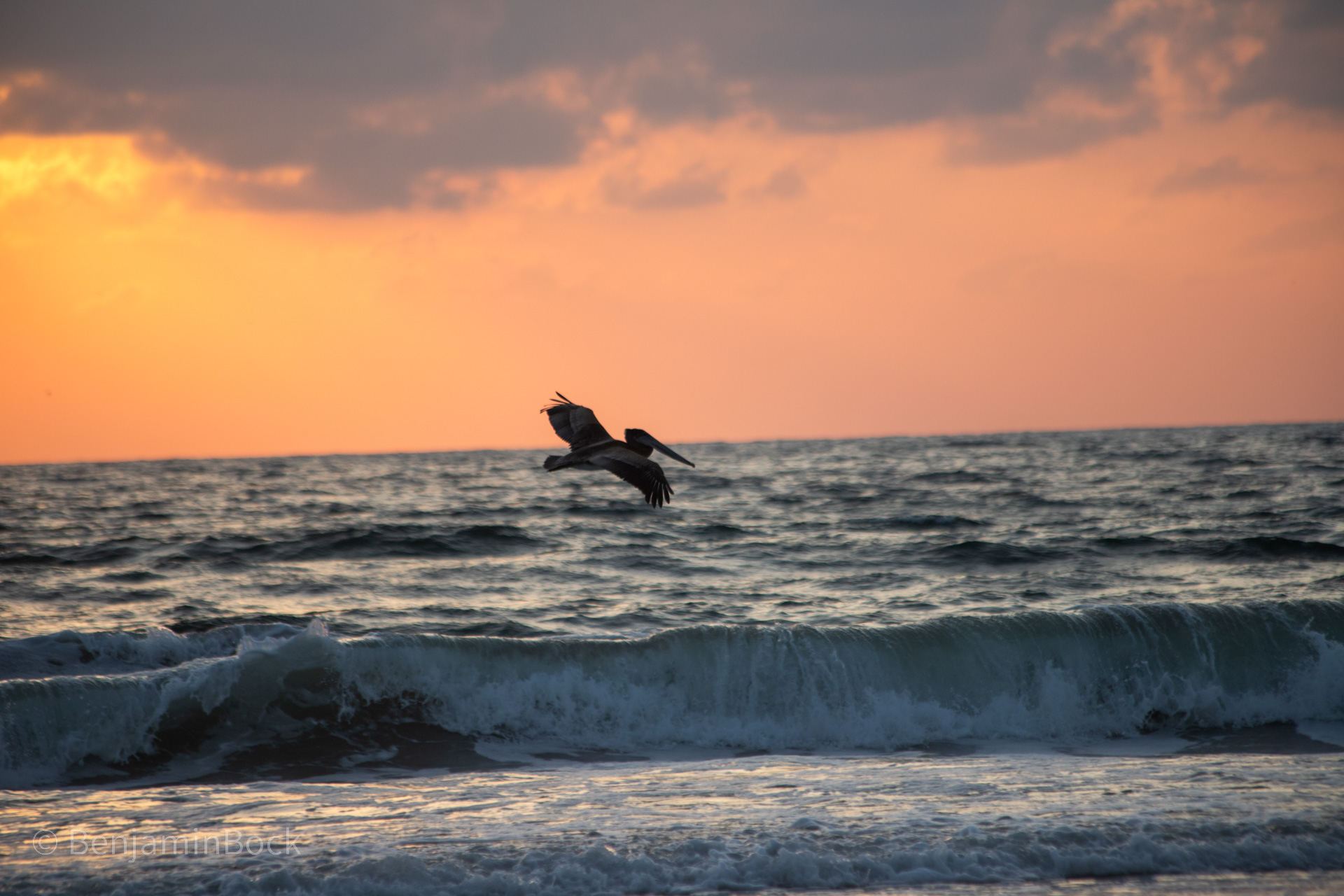 This one was so hard, I took so many photos and I swear this was the only one that was decently presentable.
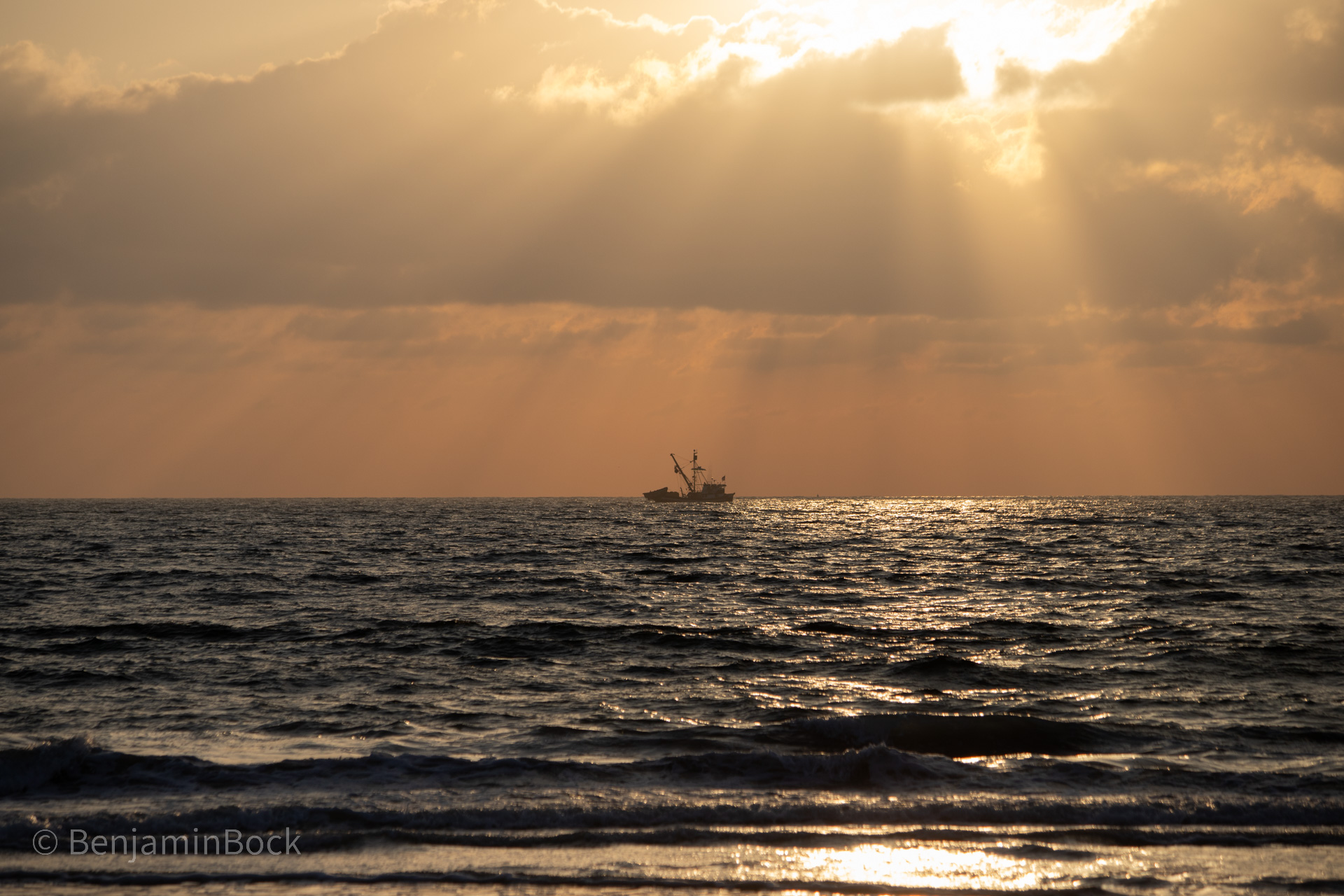 This photo was taken off the coast of Northern San Diego, CA. I had a great time with this shoot as the sun rays through the clouds onto the water made for some beautiful moments
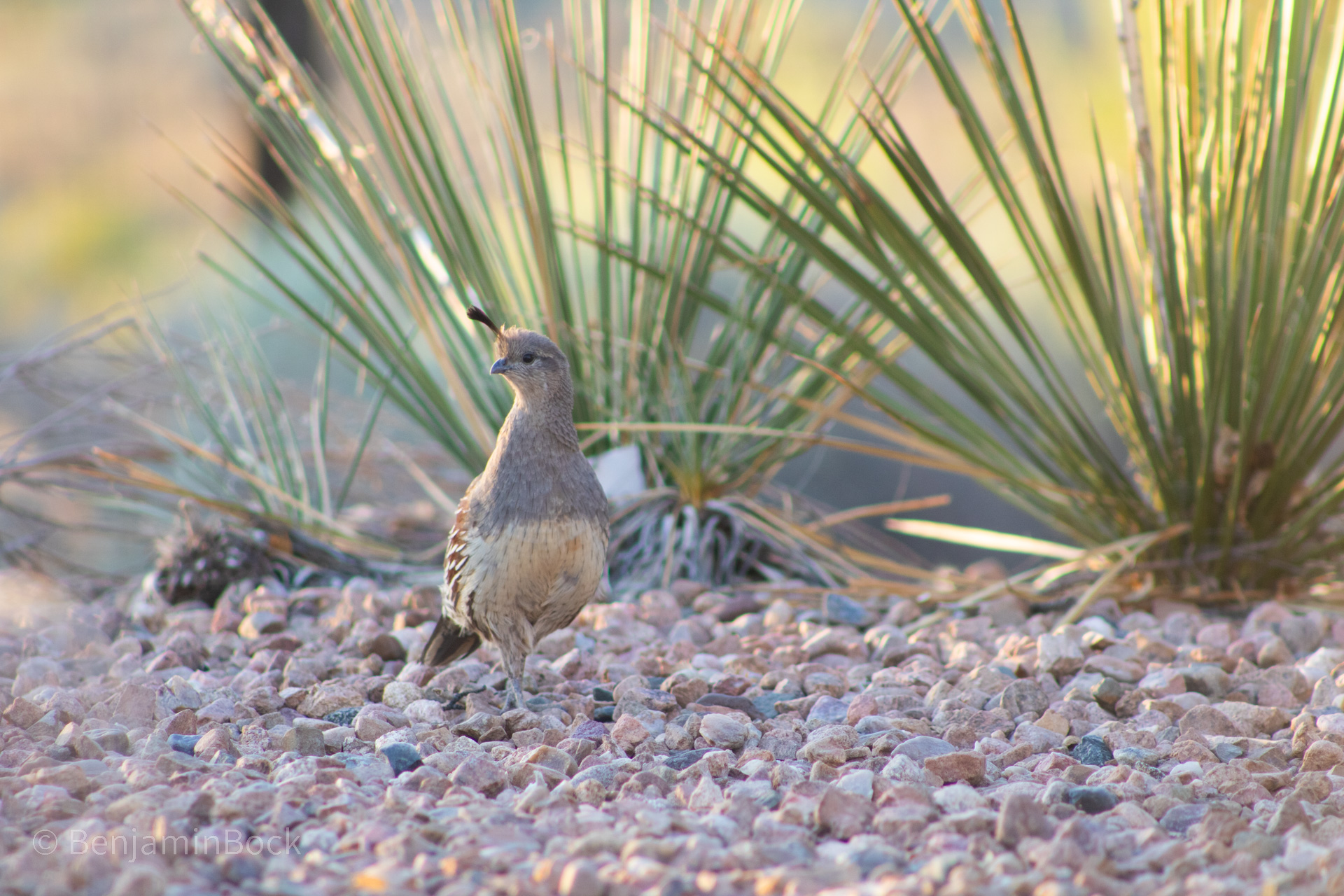 This post focuses the Gambel’s Quail (Callipepla gambelii), along with a bit more commentary on my photography as compared to the last post.
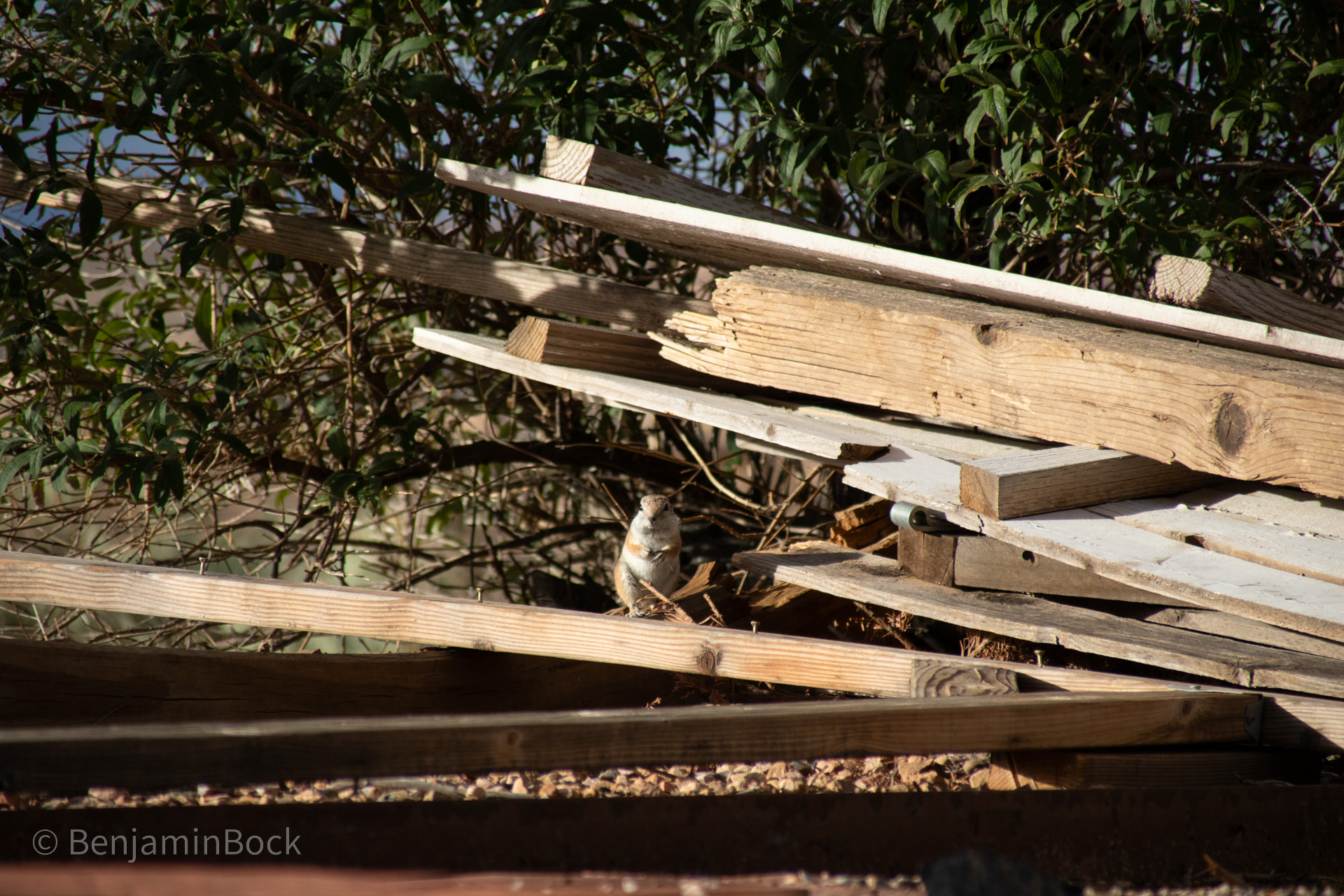 Since we moved from the suburbs of Rio Rancho, New Mexico to the slightly less populated suburbs of Rio Rancho, New Mexico these little squirrels have been racing around our property. They are only about four to six inches nose to hind bits (their tail often lays flat on their back), and they love to get into the bird feeders. Today, I will talk about The Harris’s Antelope Squirrel (I think).
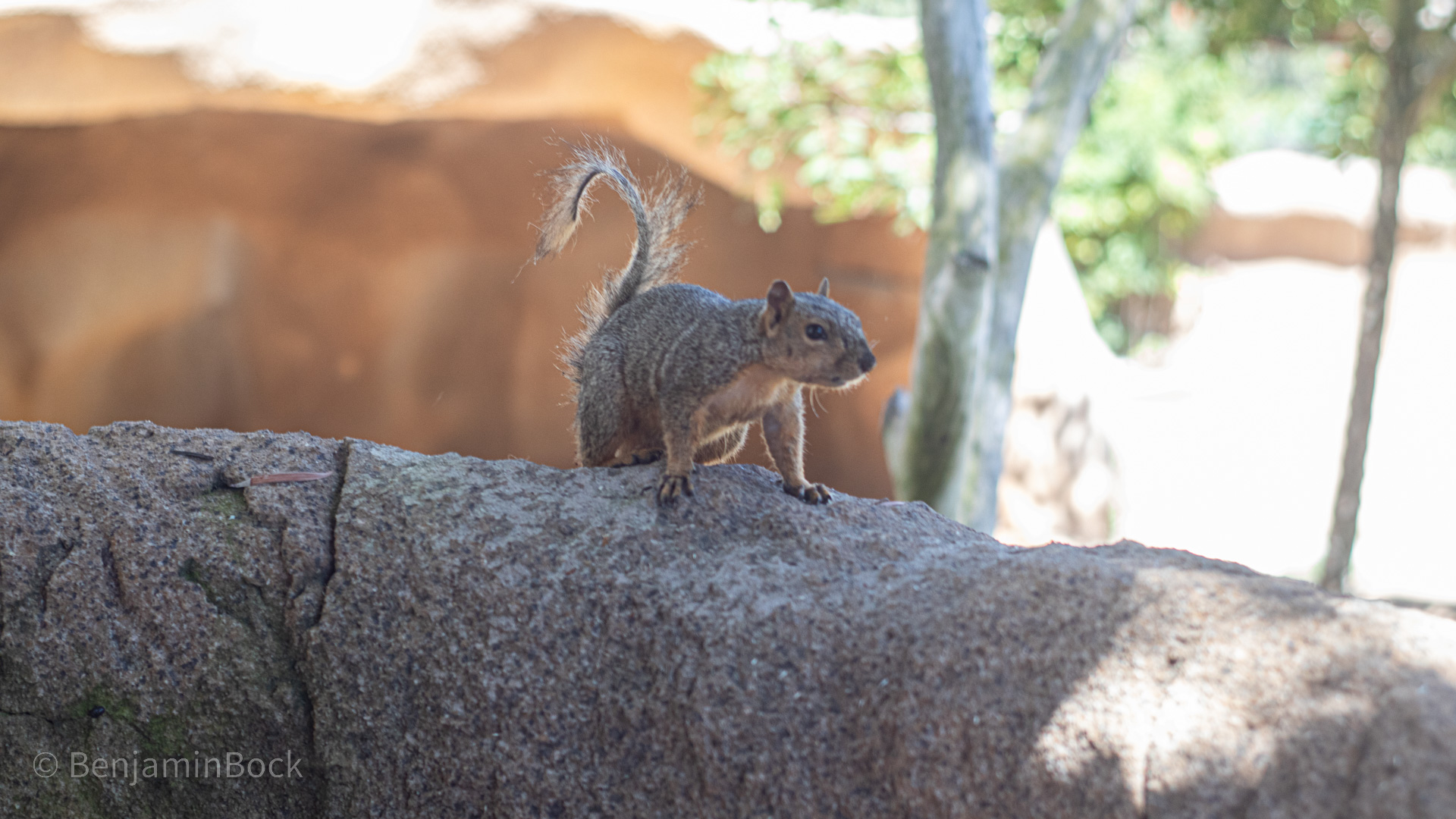 This one was so much fun. Walking down a hill during a zoo trip, this little friend was suddenly very interested and me (and perhaps my camera). They ended up about 8 inches away from me, but my lens couldn’t focus that close to itself, so this is the best half blurry image I could get. So enjoy this little friend with a funky tail!
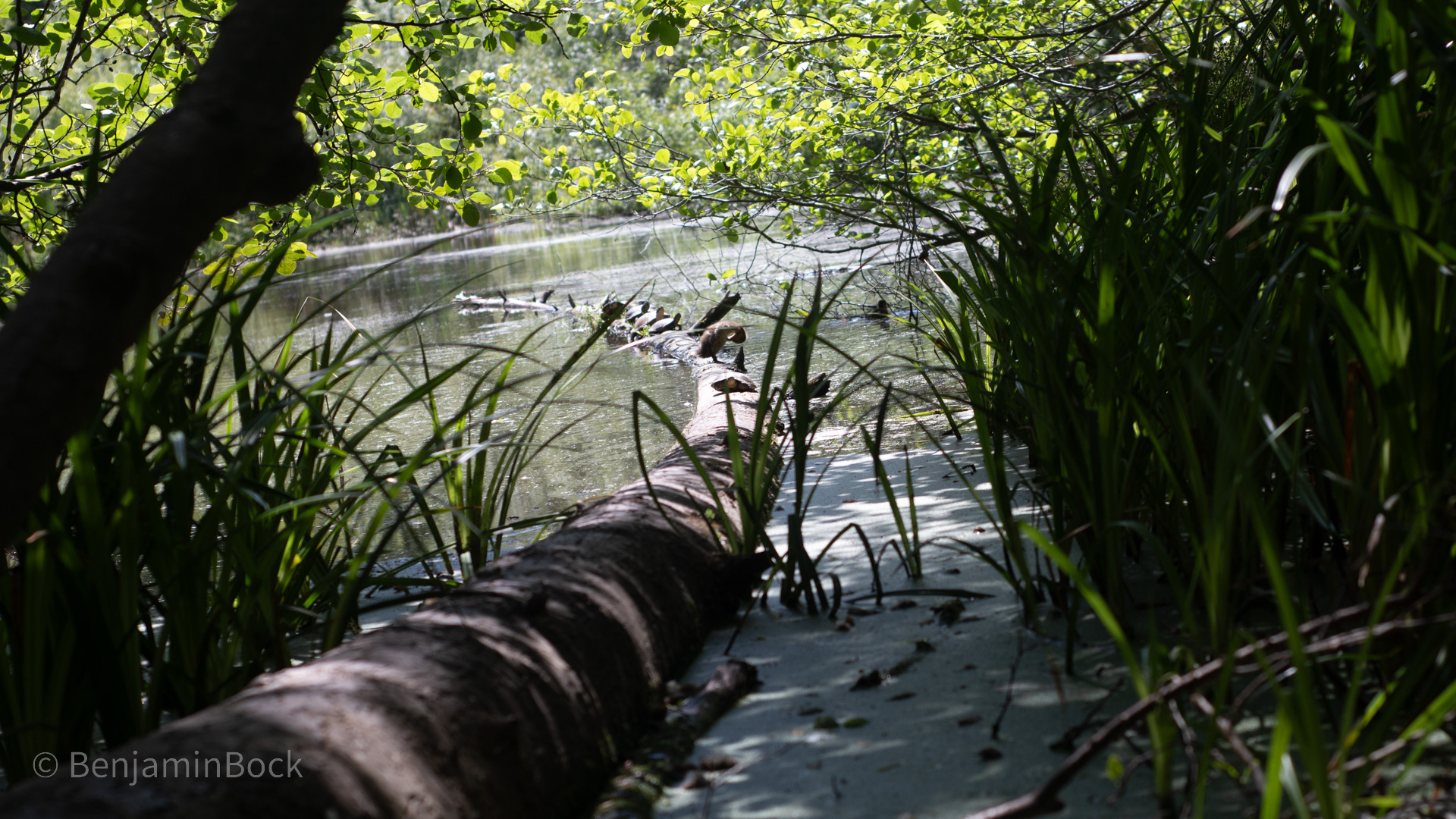 During a family trip to the San Francisco Bay Area we went to a small park with a small pond and on that pond was a small family of ducks. This here is one of those ducks doing some small duck preening.
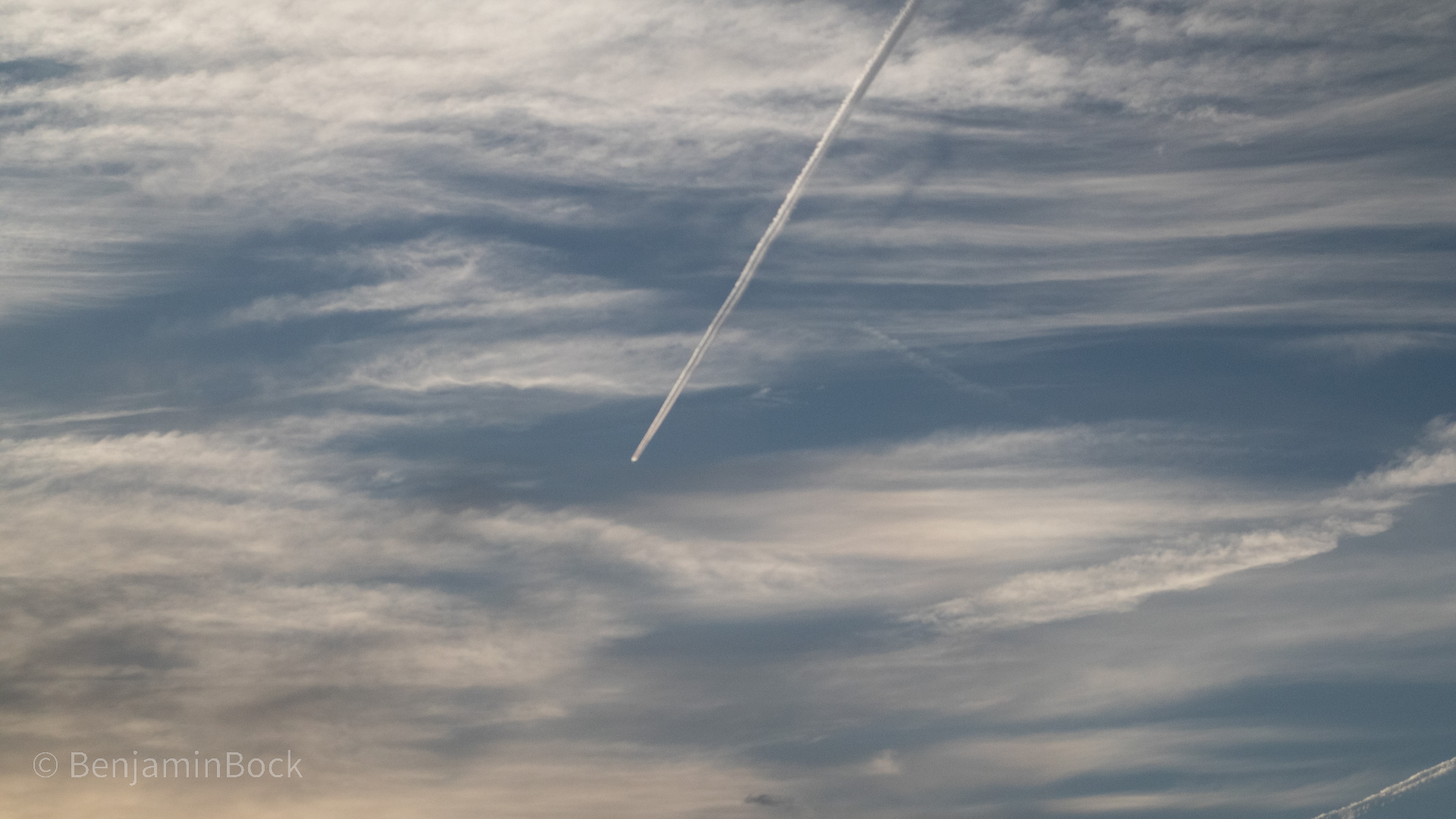 Shooting the sky is always a fun challenge! This one posed an interesting setup because of the timing of the whole shot. I sat next to my window while working, saw this plane streaking across the sky, reached into my bag to snag my camera, and snapped this shot. Everything managed to come together just right for me. Which is odd; most of the time I find myself with 1000 bad pictures for every one good photo I take. This one, however, was one and done.
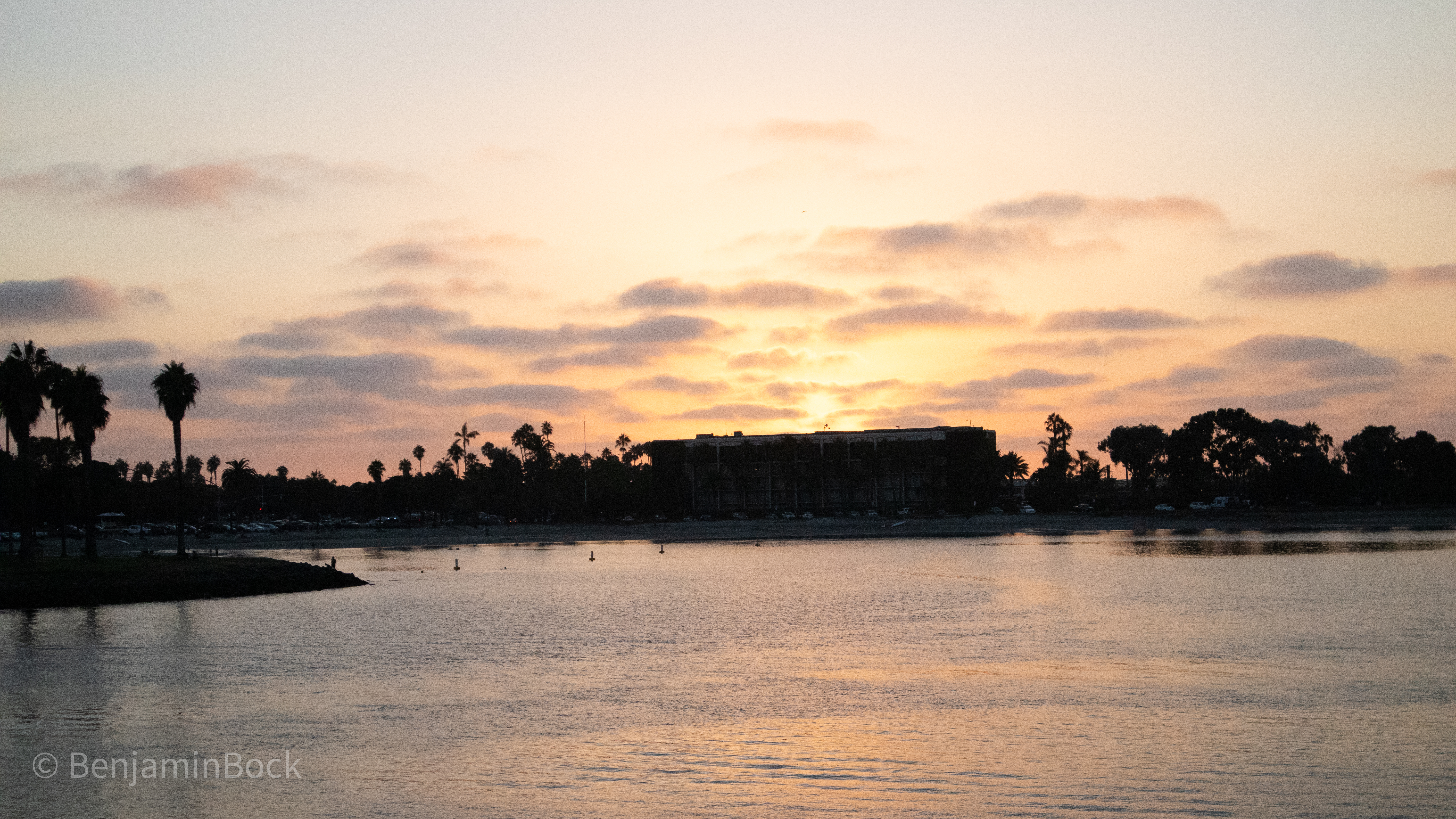 Another tale of taking the camera with you is this shot of (what I think is) the Bahia Hotel in San Diego California. I was out on a paddle boat bay tour having the best Old Fashion that I have ever had when I looked to the west ot see the sun setting over this building. I had to ballance the ISO and shutter speed to keep my field of focus where I wanted it at a higher f-stop, but this nice shot popped out. In this post I’ll talk a little bit about why I tend to keep a camera in my backpack with me wherever I go.
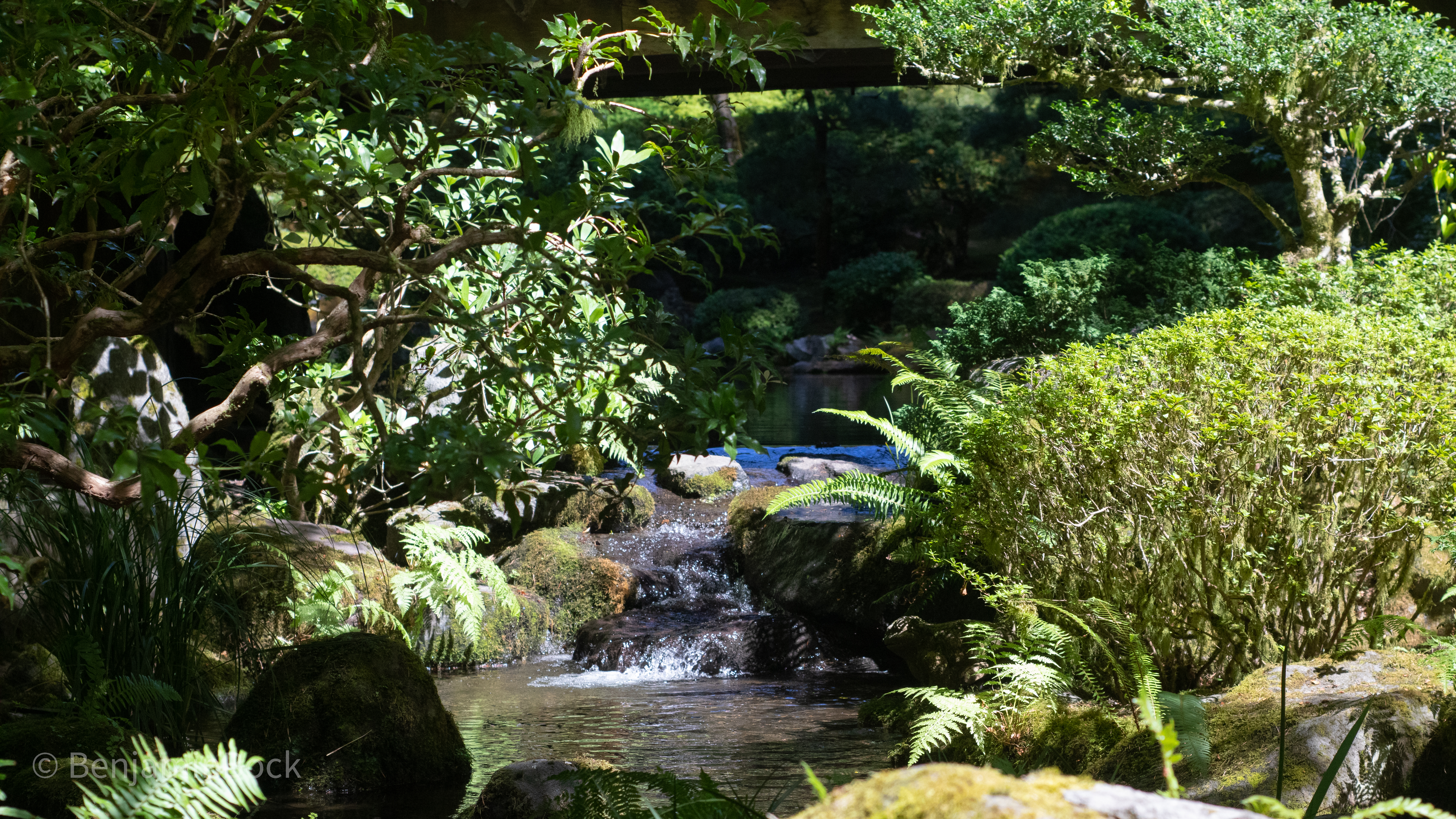 The Portland Rose Gardens had many a breathtaking green space, this sweet little waterfall out of a pond was near the top of the list. Water is a tricky subject to work with because it is both moving and reflective. Motion is one thing, but the sparkling nature of water is another. I hoped to capture the whole scene in this case instead of focusing on a particular aspect. It proved itself challenging, but ultimately I had a good time scrunched up on the ground trying to take a half decent picture.
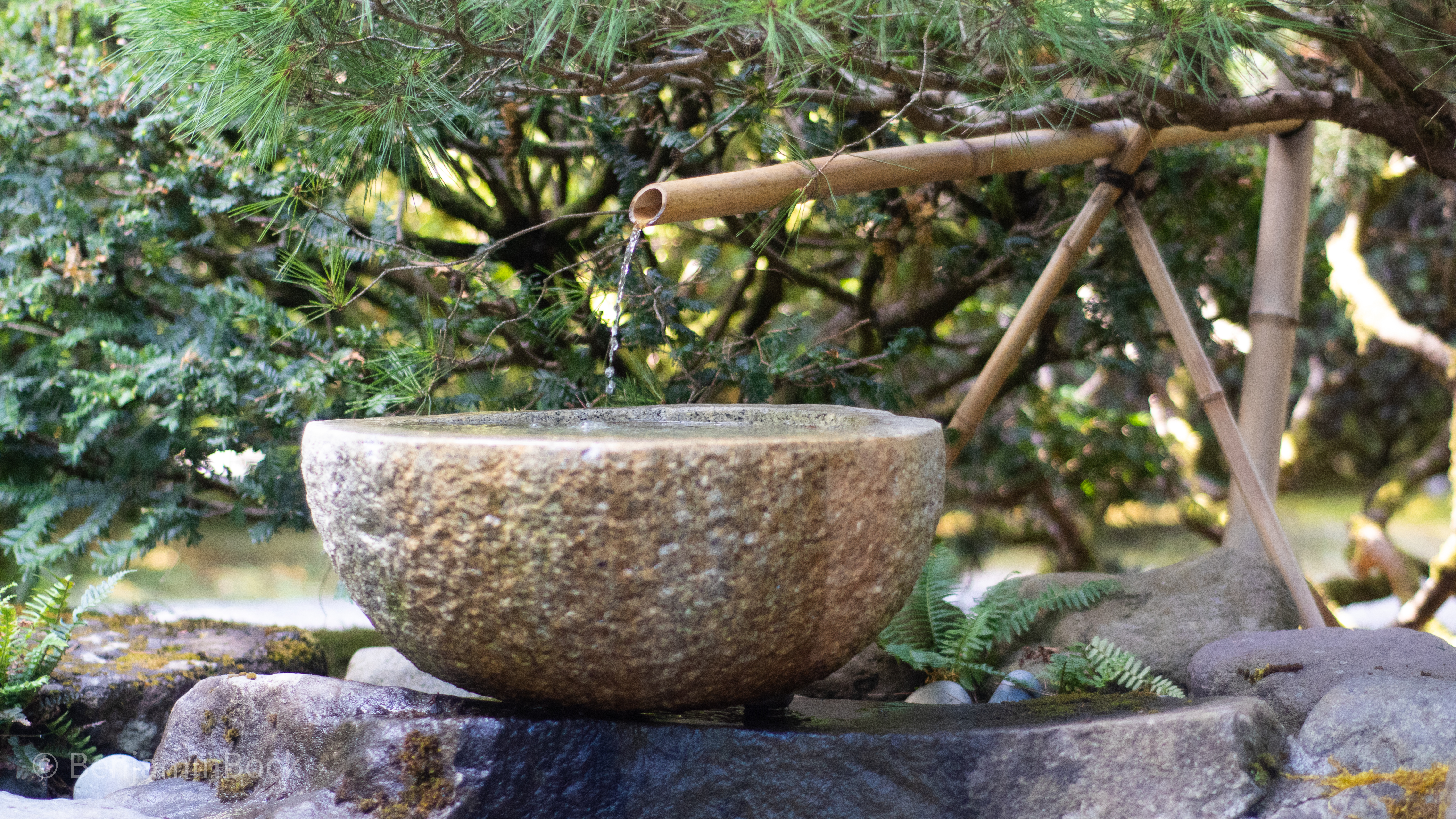 This water feature is located at the Portland Rose Gardens in Portland, OR. What stands out to me about this shot is not the photo itself but all of the photos I chose not to take that day. In this post I will talk about when and why of my photos and ultimately what makes it here.
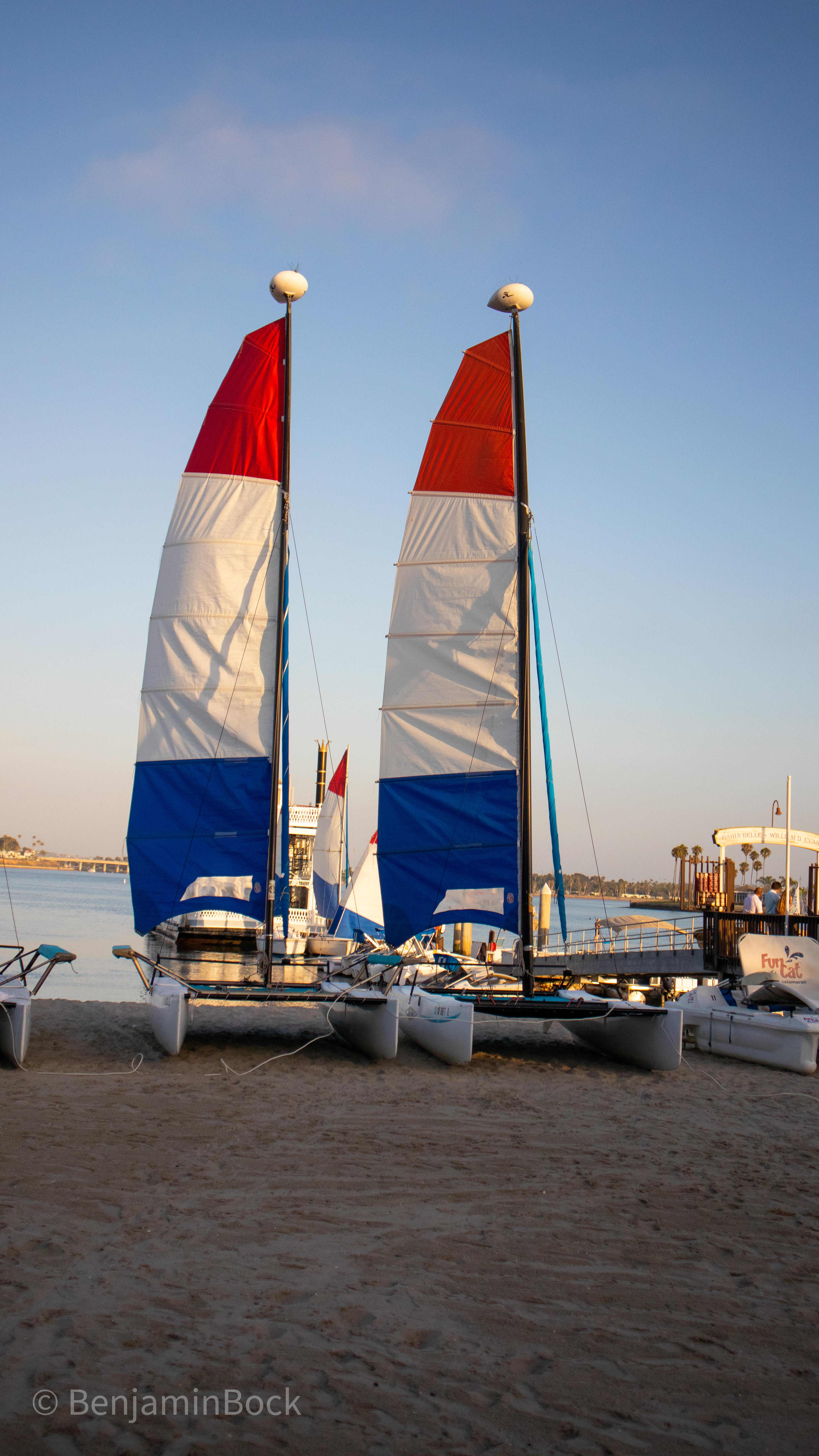 This hobby has made me see the world is ways I never thought I could; what was once a sand castle turned into a sweeping landscape, what was once a massive mountain became “the background.” In the case of this shot, boats became a quick shot while I was out with the family. In this post I will talk about how I do photography when I don’t intend to do photography and what a typical “photo shoot” looks like for me.
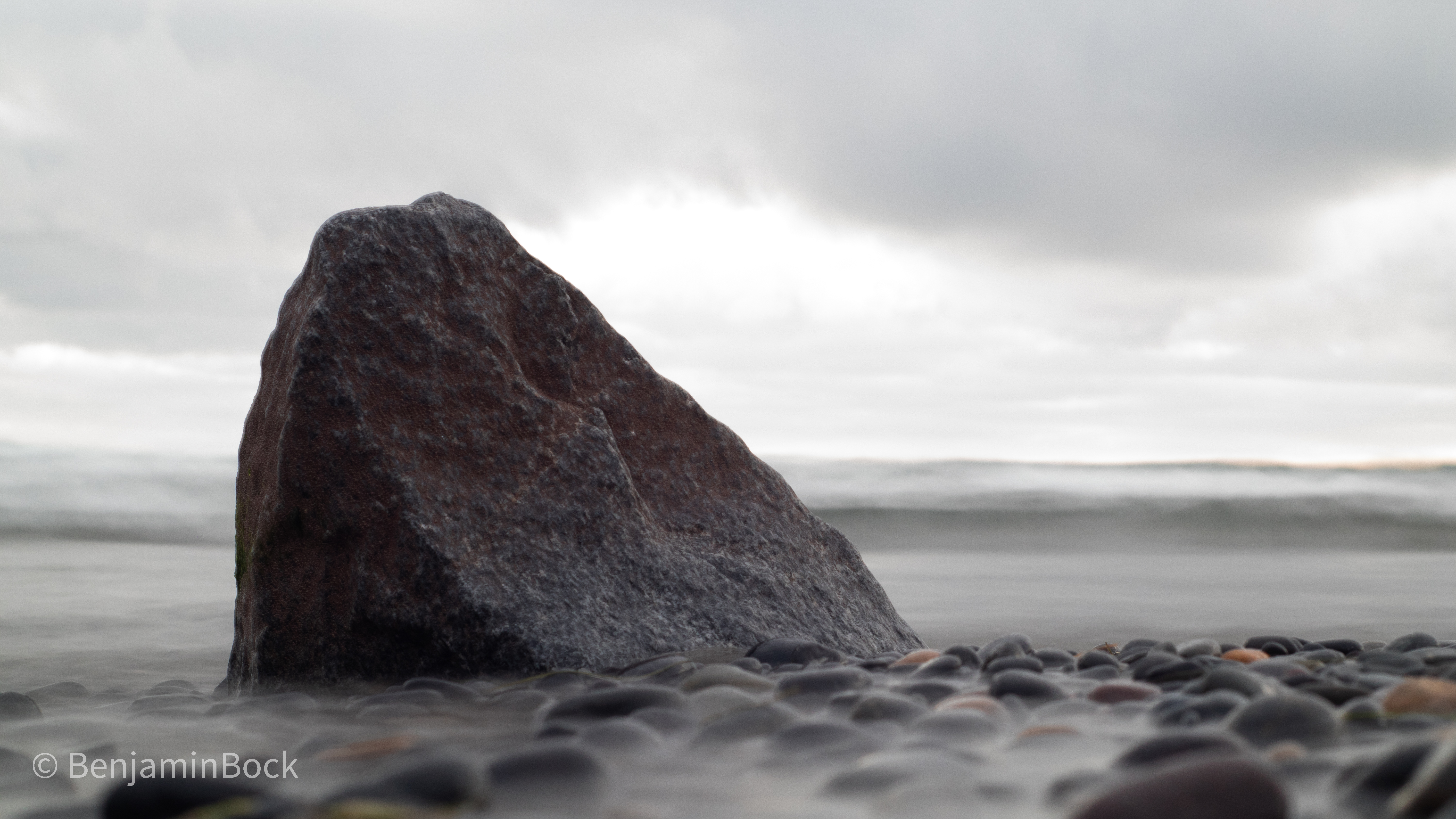 Through most of my photos I attempt to recreate exactly what I see with my eye. From the lighting to the focus to the framing, I typically strive to create a photo that is an exact replication of what I see. This photo proved to me that I don’t need to recreate the image in my mind to create a beautiful photograph. In this post I’ll talk about long exposure photos and how I approach the artistry of photography.
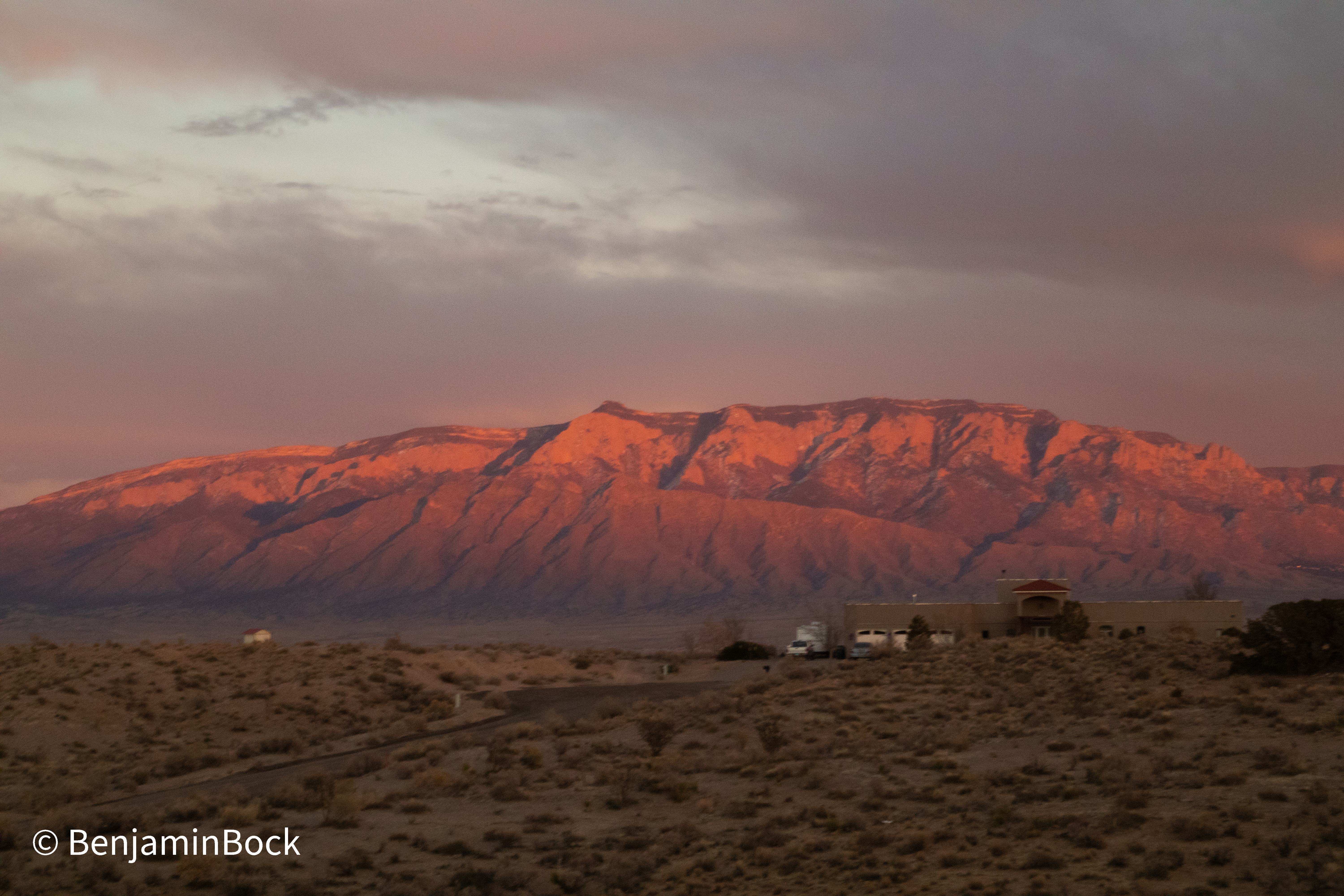 One can’t live in or around Albuquerque without knowing about the Sandia Mountains; they occupy the entire Eastern horizon, tower above the city, and paint the dying evening sky with a remarkable light. This post will mostly be about my fascination with nature as a subject of the lens, but also a bit about my shooting and editing process and where I could stand to make improvements.
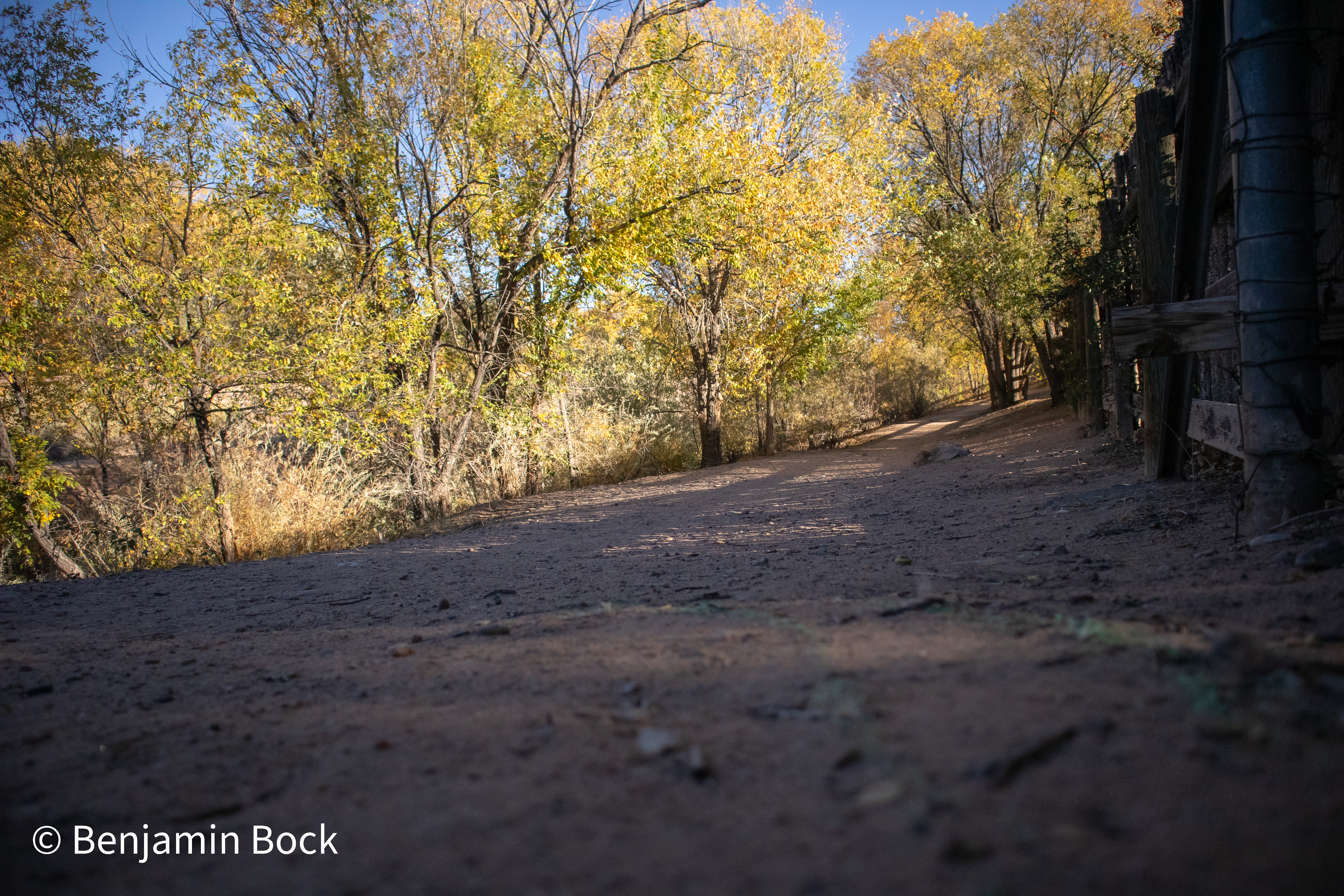 I looked like an absolute goober while taking this picture, but I am pretty happy with what popped out. The lighting was fun to play with on this one, while still being a pain in the backside due to the shadows on the right. Overall, I enjoyed taking this photo as it was a nice time to play with focus and bring out some more dynamic elements of this scene. In this post, I’ll talk about what I did in my photo editor and what I would have done better in the field.
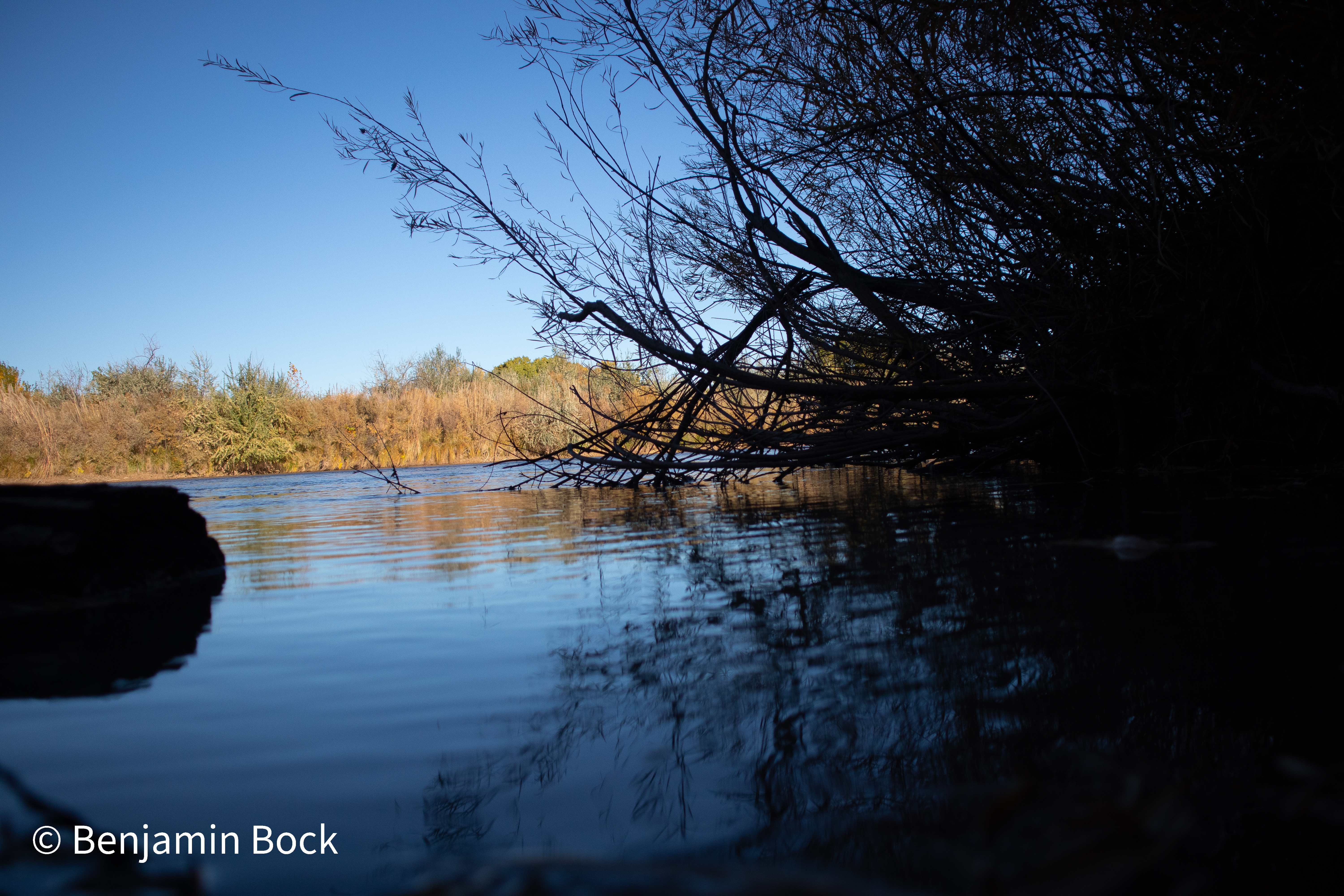 One of the more iconic sights of the great state of New Mexico is the Rio Grande River; a once mighty waterway that rips through the middle of the state, giving life to nutrient rich farming valleys and stunning tree lines in the fall. I snapped this picture in early October, just as the leaves were beginning to change. In this post, I’ll talk about my photographing attitude for a bit.
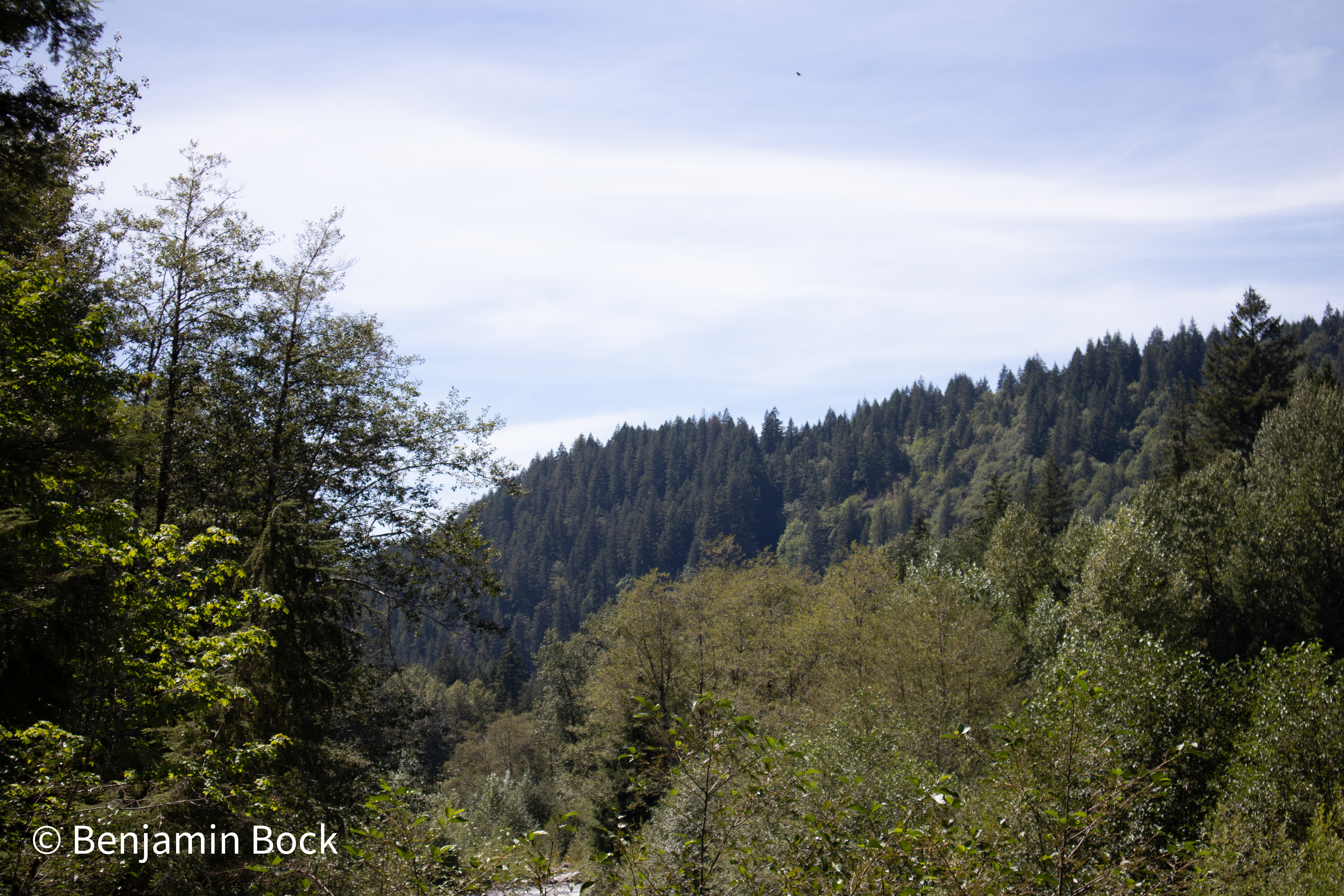 Distance is often difficult to capture with a kit lens, especially a kit lens that only goes out to 55mm. Wrapping up my Oregon series, I will talk about what kind of challenges I faced while taking this shot along with what notably minimal efforts I took to negate them.
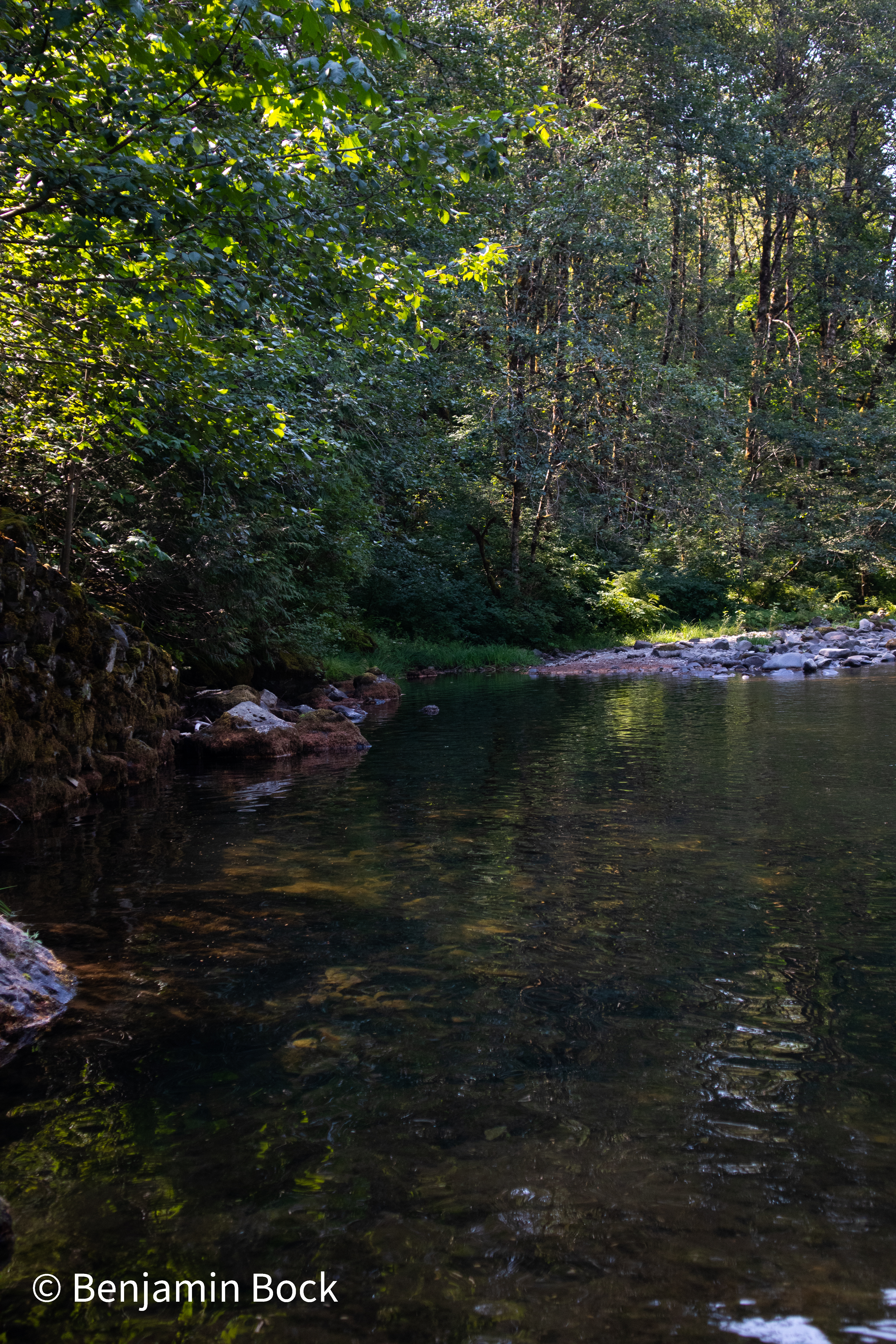 The Salmon river is one of the most remarkable rivers I have seen. Water has always been hard for me to capture, and this river proved to be no different. In this post I’ll talk about how I addressed the movement, contrast, and transparency of the Salmon River.
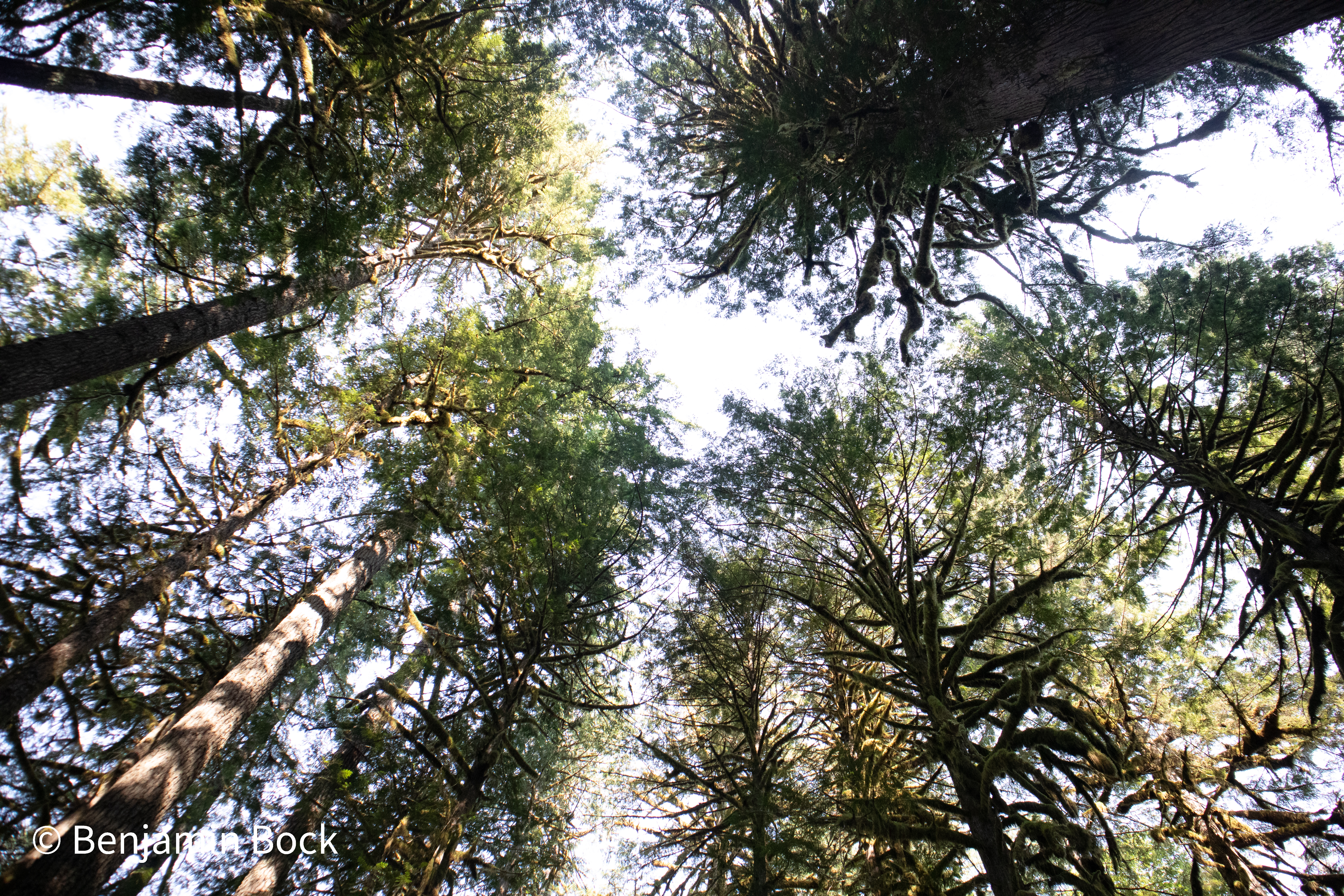 Welcome to my first photography blog post. I honestly cannot tell you why I am starting a blog amid college, or why I choose nature photography as its subject, yet here we are. I hope you enjoy what you see; we’ll start with a picture I took on a family trip in Zig Zag, Oregon.
 I’ll continue my Oregon Forest saga with this shot from a small hike we did off the Zig Zag river. While the scenery blew my mind in the moment, what took me aback after the fact was the quality presented in this image.